Frankenstein: The Color Font That Brings Projects to Life
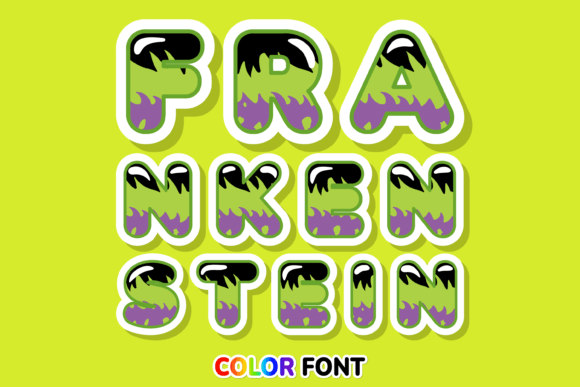
There are typefaces that sit quietly on a page, doing their job without fuss, and then there are fonts that walk into the room and demand attention. Frankenstein belongs firmly in the second category. This premium color font, built on the Opentype-SVG format, isn't just a collection of letters—it's a visual experience. Each character carries layered color gradients and dimensional depth that traditional single-color fonts simply can't replicate. If you've been searching for a creative font that bridges the gap between playful illustration and solid typography, this one deserves a serious look.
What Makes This Typeface Stand Out
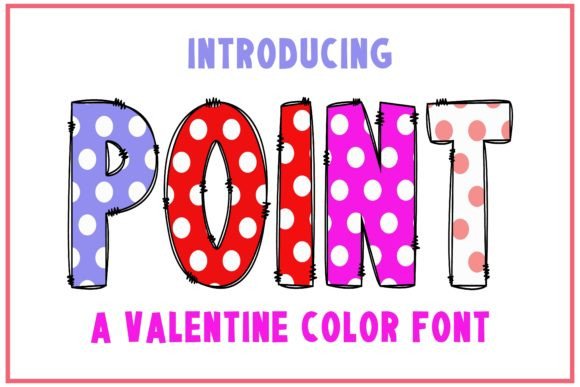
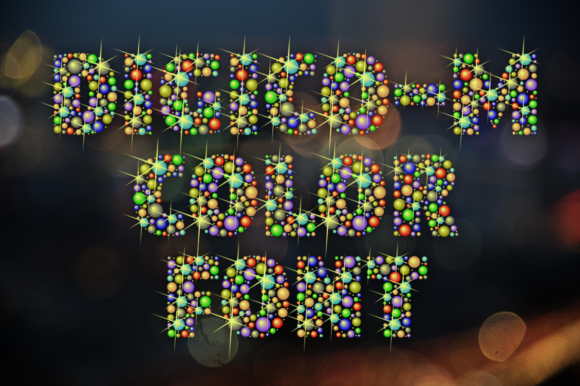
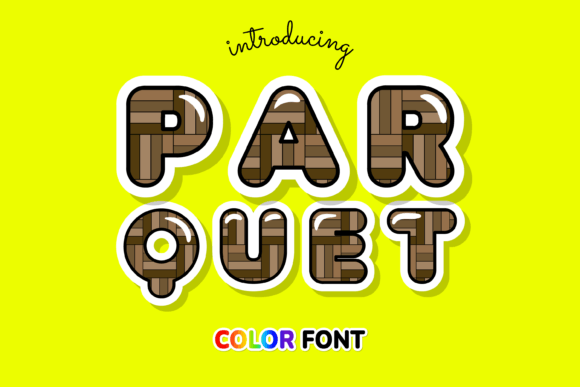
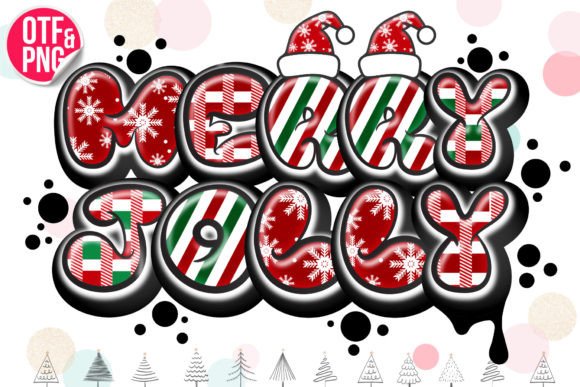
Most fonts you install on your computer are essentially outlines filled with a single flat color. Frankenstein flips that expectation entirely. Because it's a color font in the Opentype-SVG format, every letter arrives with built-in shading, highlights, and multi-tone finishes. Think of it as illustration meets typography. The result is a display font with personality baked right into the letterforms—no extra design work required on your end.
Visually, Frankenstein carries a bold, textured character that feels handcrafted without sacrificing legibility. It walks a line between whimsical and polished, which makes it surprisingly versatile. Whether you're designing a logo for a quirky brand, building out social media graphics that need to stop the scroll, or putting together packaging that pops on a shelf, this typeface delivers visual impact that flat fonts struggle to match.
Creative Applications That Actually Work
Let's talk about where Frankenstein genuinely shines, because not every font works for every project. This one has a distinct personality, and matching it to the right context is key to getting the most out of it.
Branding and Logo Design: If your brand identity leans toward the creative, artisanal, or unconventional, Frankenstein can anchor a logo system with real character. Imagine a bakery that wants to feel handmade and approachable, or a children's entertainment company looking for something fun and memorable. Pair it with a clean sans serif font for body copy, and you've got a brand identity that feels cohesive and intentional.
Packaging Design: Product packaging lives or dies on shelf presence. Frankenstein's built-in color and texture give packaging an illustrated quality that photographs beautifully for e-commerce listings and catches eyes in retail environments. It works particularly well for specialty food products, craft beverages, cosmetics with a playful edge, or any product where the packaging itself is part of the brand story.
Social Media Graphics: Platforms like Instagram and Pinterest are saturated with content, and standing out requires visual hooks. A headline set in Frankenstein immediately signals that a post or story is different from the standard Canva-template aesthetic. Use it for event announcements, sale promotions, quote graphics, or podcast cover art. The color font format means your text looks polished without layering multiple design elements.
Editorial and Blog Design: Bloggers and digital publishers can use Frankenstein sparingly for pull quotes, section headers, or featured image overlays. It adds visual rhythm to long-form content and gives readers a reason to keep scrolling. Just be mindful of context—a serious financial blog probably isn't the right home for this font, but a lifestyle, food, or creative industry publication could use it beautifully.
Invitations and Print Materials: Party invitations, event flyers, greeting cards, and thank-you notes are natural territory for a font like this. The dimensional quality of the letterforms means even a simple design feels elevated. Wedding-related businesses, event planners, and stationery designers can incorporate Frankenstein into template offerings that clients will gladly pay a premium for.
Merchandise and Digital Products: T-shirt designers, mug creators, and printable sellers on platforms like Etsy are always on the hunt for fonts that look great on products. Frankenstein's color and texture translate well to physical merchandise and digital downloads alike. Just remember to verify your production method supports color fonts before committing to a design.
Practical Advice for Getting It Right
Installing a striking font is the easy part. Using it well takes a bit more thought. Here are some grounded recommendations for working with Frankenstein effectively.
Test Your Font Pairings: A display font with this much personality needs a supporting cast. Pair Frankenstein with a straightforward serif font or a clean sans serif for body text. The contrast creates hierarchy and keeps your designs from feeling overwhelming. Spend time testing combinations in your actual project files rather than relying on font preview sites alone.
Watch Your Readability: This is a display typeface, which means it's built for headlines, titles, and short bursts of text—not for paragraphs of body copy. Use it where you want impact, and switch to something more neutral for longer passages. Your audience will thank you, and your designs will communicate more clearly.
Understand the Technical Side: Frankenstein is an Opentype-SVG color font, and that matters for compatibility. It works beautifully in PhotoShop, Illustrator, Silhouette, and Inkscape. However, the OTF and TTF files are not compatible with Cricut machines. If you're a crafter who relies on Cricut for cutting projects, this is an important detail to factor in before purchasing. For a deeper walkthrough on installing and using color fonts, check out the Ultimate Font Guide available on the product page.
Consider Your Commercial Needs: If you're using Frankenstein for client work, merchandise, or any project that generates revenue, make sure you understand the licensing terms included with your purchase. Most premium font licenses cover standard commercial use, but it's always worth reviewing the specifics so there are no surprises down the road.
Review All Included Styles: Many premium font packages come with multiple weights, alternates, or stylistic variations. Take time to explore everything included in your download. You might find alternate characters or ligatures that give you more flexibility in your designs, especially for logo work where uniqueness matters.
Why Font Choice Shapes How People See Your Work
Typography is one of those design elements that people notice without consciously noticing. A well-chosen typeface builds trust, signals professionalism, and creates emotional resonance. When your visual communication is consistent—when your social media graphics, website headers, packaging, and print materials all share a cohesive typographic voice—your audience starts to recognize your brand before they even read the words.
Frankenstein isn't trying to be everything to everyone, and that's exactly what makes it effective. It's a creative font with a clear point of view. For designers, small business owners, and content creators who want their work to feel distinctive and memorable, having a typeface like this in your toolkit opens up creative possibilities that generic system fonts simply can't offer. The key is using it intentionally, pairing it thoughtfully, and matching it to projects where its personality enhances rather than overwhelms your message.
Modern typography rewards experimentation, but it also rewards restraint. Use Frankenstein where it makes sense, lean on stronger neutral fonts where clarity is the priority, and let the combination do the heavy lifting. Your designs—and your audience—will be better for it.