Parquet: A Color Font That Brings Your Creative Vision to Life
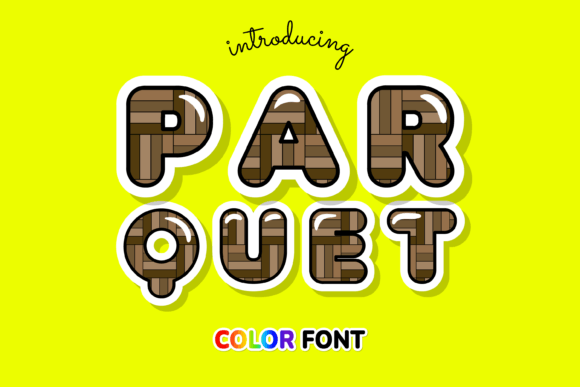
There's a certain magic that happens when you find a font that doesn't just sit on the page but truly lives on it. It's the difference between a design that feels flat and one that pops with personality and depth. If you've been searching for that perfect creative font to inject life into your projects, Parquet might just be the discovery you've been waiting for. This isn't your average typeface; it's an incredibly cool color font (Opentype-SVG) designed to add a lovely, textured touch to anything you create. Whether you're a designer crafting a brand identity, a small business owner developing product packaging, or a hobbyist making custom invitations, this font offers a unique visual toolset that standard fonts simply can't match.
Beyond the Single Hue: Understanding Parquet's Unique Appeal
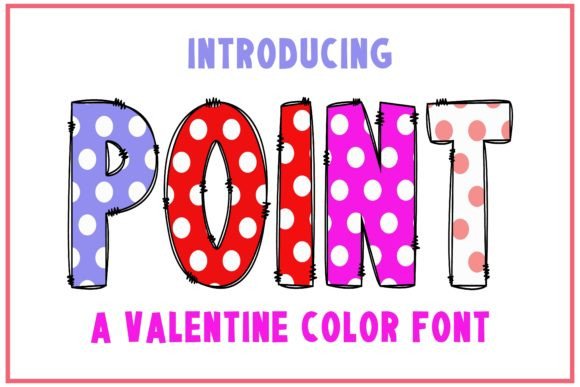
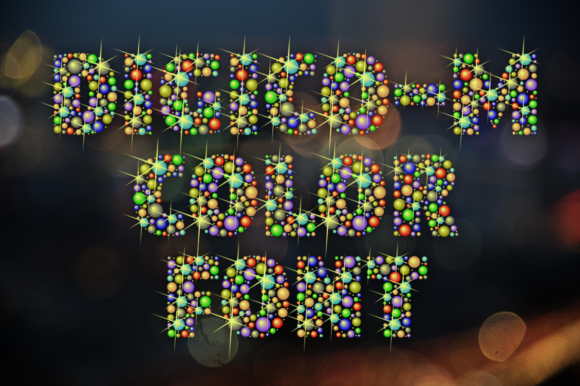
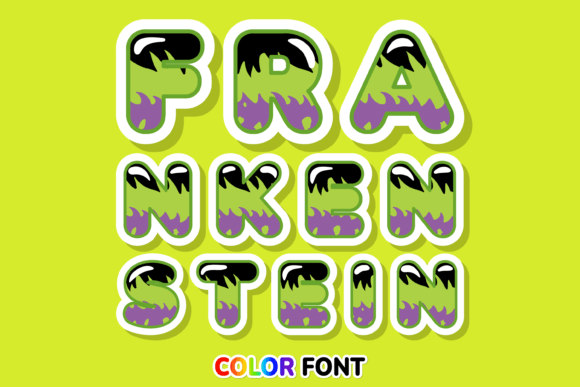
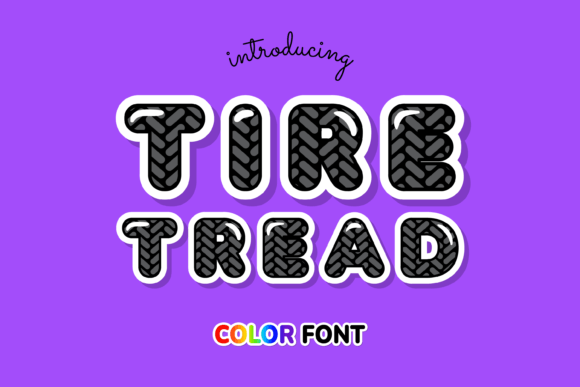
At its core, Parquet is a display font that understands the power of color and texture. Traditional fonts are monochromatic, relying on a single color you choose. A color font like Parquet, however, is pre-designed with intricate color patterns, gradients, and visual details baked directly into the letterforms. Imagine a typeface where each character has the rich, multi-toned appearance of inlaid wood, mosaic tile, or woven fabric. That's the essence of Parquet. It’s a premium font that delivers immediate visual complexity, saving you the time and effort of manually adding textures or layering effects in design software like Adobe Photoshop or Illustrator. This built-in visual richness makes it a standout choice for projects where first impressions are critical and you need your typography to do more than just convey words—it needs to set a mood.
Where Typography Meets Tangible Results: Practical Applications
The true value of a creative asset is measured by how you can use it. Parquet's versatility shines across a wide spectrum of commercial and creative projects, making it a valuable addition to any designer's toolkit.
- Branding and Logo Design: A logo is the cornerstone of a brand's identity. Using Parquet can instantly give a logo a handmade, artisanal, or luxurious feel, depending on the color palette within the font. It's perfect for brands in the food, craft, boutique retail, or lifestyle sectors looking to convey quality and attention to detail.
- Packaging Design: On a crowded shelf, packaging needs to tell a story quickly. Parquet can be used for product names, key descriptors, or decorative accents to create packaging that feels premium and tactile, encouraging customers to pick it up and engage.
- Social Media Graphics and Web Design: In the fast-scrolling world of digital content, standing out is non-negotiable. Parquet creates eye-catching headlines for Instagram posts, Pinterest pins, and website hero sections. Its built-in texture ensures your message is memorable, even at smaller sizes in a social feed.
- Editorial Layouts and Blogs: For magazines, lookbooks, or blog headers, Parquet can be used for pull quotes or section titles. It breaks the monotony of body text and draws the reader's eye to important information, enhancing the overall reading experience.
- Print Materials and Merchandise: Think beyond digital. This font translates beautifully to print—think business cards, posters, flyers, and merchandise like t-shirts or tote bags. The texture and color detail remain sharp, ensuring your designs look professional in any medium.
- Invitations and Digital Products: For event invitations, wedding stationery, or digital planners and worksheets, Parquet adds a touch of elegance and personality. It helps create a cohesive and high-end feel for both physical and digital products.
Making Your Brand Memorable: The Strategic Advantage
Choosing a font like Parquet is more than an aesthetic decision; it's a strategic one for your brand identity. Consistent use of a distinctive typeface across all touchpoints—from your website to your email newsletters to your physical packaging—builds strong brand recognition. When your audience sees that unique, textured typography, they immediately associate it with your business. This consistency fosters trust and professionalism. Furthermore, a well-chosen display font improves the hierarchy of your designs. By using Parquet for headlines and pairing it with a clean, simple sans-serif font for body text, you create a clear visual path for the viewer. This enhances readability and ensures your key message isn't lost, leading to better audience engagement and communication.
A Practical Guide to Using Parquet Effectively
To get the most out of this typeface, a few practical considerations are key. First, always test font pairings. Parquet's detailed, textured nature pairs best with simple, neutral fonts. A classic sans-serif like Helvetica, Arial, or a clean serif like Georgia often makes an excellent companion for body copy, allowing Parquet's personality to shine without causing visual clutter. Second, mind the readability. As a display font, Parquet is engineered for impact at larger sizes—headlines, logos, and titles. It may not be ideal for long paragraphs of small body text where clarity is paramount. Always review your design at the intended viewing size to ensure legibility. Finally, understand the technical requirements. Remember, Parquet is an Opentype-SVG color font. This means it works seamlessly in modern design software that supports this format, such as Adobe Photoshop, Illustrator, Silhouette Studio, and Inkscape. It's important to note that the OTF/TTF files are not compatible with Cricut Design Space. For those using Cricut, exploring standard OTF/TTF fonts or checking our Ultimate Font Guide for alternatives is the best path forward.
Unleashing Your Creative Potential
In the end, tools like the Parquet color font are about expanding your creative vocabulary. It provides a way to convey warmth, craftsmanship, luxury, or playfulness through the very letters you choose. It’s an asset for the entrepreneur building a brand from the ground up, the marketer looking for a fresh visual hook, and the crafter wanting to make something truly special. By integrating this kind of modern typography into your workflow, you move beyond simply communicating—you start designing experiences. So, the next time you're starting a project that calls for a little extra character, consider what a font with built-in texture and color could do. You might find it's the missing piece that brings your entire vision into focus.