Area Rug: A Color Font That Adds Texture to Your Design Projects
You know that feeling when you stumble upon a design element that just clicks? That's what happened when I first encountered the Area Rug font. It's one of those creative assets that makes you immediately start brainstorming projects—imagining it on packaging, social media headers, or even a bold logo concept. This isn't your typical typeface sitting quietly in the background. It's a statement piece, a modern typography choice that brings personality and visual interest to the table.
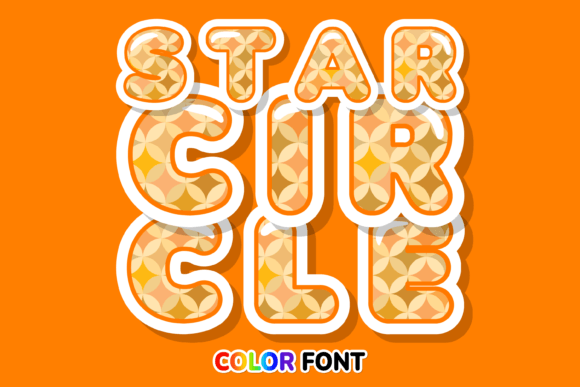
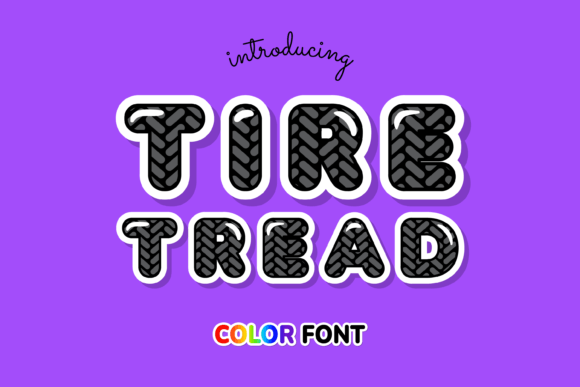
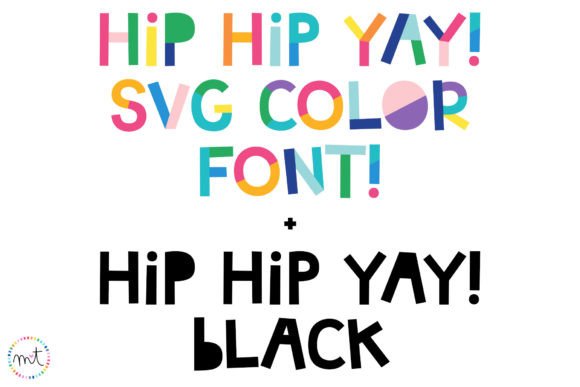
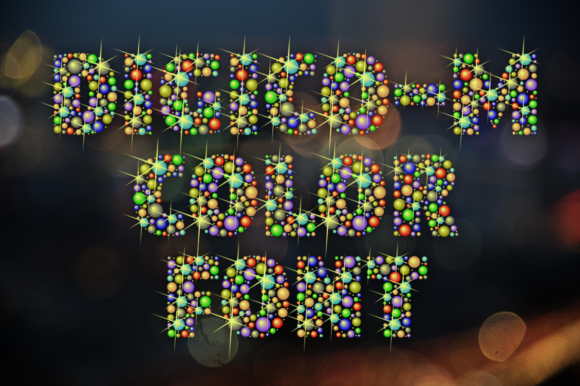
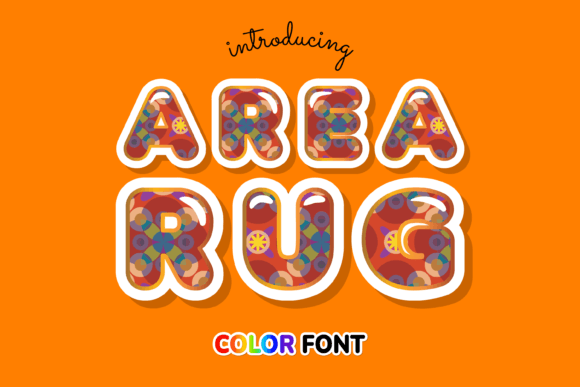
What makes Area Rug stand out is its nature as a color font. If you haven't worked with Opentype-SVG fonts before, think of them as typography that carries its own color and texture within each letterform. Instead of being limited to flat, single-color text, you get characters that can have gradients, patterns, and multidimensional effects baked right in. It's a creative font that bridges the gap between traditional typography and illustration.
Why This Display Font Works for Real Projects
Let's talk about practical applications, because that's where a font like this earns its place in your design toolkit. As someone who's spent years working with clients on brand identity projects, I can tell you that finding a display font with genuine character—one that doesn't feel generic or overused—is surprisingly difficult.
Area Rug fills that gap beautifully. Here's where I've seen designers and creative professionals put it to work:
- Logo design: When a brand needs a wordmark that feels warm, approachable, and unmistakably unique, this typeface delivers. It works particularly well for lifestyle brands, artisan businesses, and companies targeting audiences who appreciate craftsmanship.
- Packaging design: Think about boutique food brands, handmade cosmetics, or specialty retail products. The textured quality of a color font like this adds a tactile dimension that flat serif fonts or sans serif fonts simply can't achieve on a printed label.
- Social media graphics: In a feed full of templated designs, a bold and visually rich typeface stops the scroll. It's ideal for Instagram posts, Pinterest pins, and promotional graphics where you need instant visual impact.
- Invitations and event materials: Wedding invitations, party flyers, festival posters—any project that calls for a celebratory, eye-catching aesthetic benefits from this kind of premium font treatment.
- Merchandise and print materials: Tote bags, t-shirts, stickers, and posters become more compelling when the typography itself tells a story.
- Editorial layouts and digital products: Magazine headers, e-book covers, and online course graphics gain depth and personality with a creative font that doesn't look like every other design asset floating around the internet.
Matching Typography to Your Brand's Personality
Here's something I've learned from years of working on branding projects: the fonts you choose communicate before anyone reads a single word. A script font whispers elegance. A geometric sans serif font signals modernity and efficiency. A handwritten font feels personal and approachable. And a textured display font like Area Rug? It says your brand has personality, that you care about craft, and that you're not afraid to stand out.
That said, choosing the right font style isn't just about what looks cool in isolation. It's about alignment. Ask yourself a few questions before committing to any typeface for a project:
- What's the primary emotion I want this design to evoke?
- Who is my audience, and what visual language do they respond to?
- Will this font be used for headlines only, or does it need to work at smaller sizes too?
- How does it pair with the other fonts in my brand system or layout?
Area Rug works best as a headline or featured text element. It's a display font, which means it's designed to grab attention at larger sizes. You wouldn't set a full paragraph of body copy in it—that's where a clean serif font or sans serif font steps in to handle readability. The magic happens when you pair them together: a bold, textured headline font complemented by a simple, legible body typeface creates visual hierarchy that guides the reader's eye naturally.
Practical Tips for Font Pairing and Readability
Font pairing is both an art and a skill you develop with practice. When working with a visually rich typeface like Area Rug, the goal is balance. You want contrast without chaos.
A few pairing approaches that tend to work well:
- Texture meets simplicity: Pair your display font with a clean, neutral sans serif. Think of it like wearing a patterned blazer with solid trousers—each element lets the other breathe.
- Warmth meets structure: If the color font has an organic, handcrafted quality, try pairing it with a structured serif font for body text. The combination feels both approachable and professional.
- Consistency across platforms: Remember that your brand might appear on a website, a printed brochure, and a social media post within the same week. Your font choices need to work across all those contexts while maintaining visual consistency.
One important note about this particular product: Area Rug is an Opentype-SVG color font, which means it's compatible with specific design software. It works well in PhotoShop, Illustrator, Silhouette, and Inkscape. However, the OTF and TTF files aren't compatible with Cricut machines. If you're a crafter who relies on Cricut for cutting designs, that's worth knowing upfront. For deeper guidance on working with color fonts, the Ultimate Font Guide is a solid resource worth bookmarking.
Building Brand Recognition Through Thoughtful Typography
Every touchpoint your audience encounters shapes how they perceive your brand. A cohesive typography strategy—where your headline font, body font, and accent fonts all work together harmoniously—builds recognition over time. People start associating your visual language with your business before they even process the words on the page.
This is where investing in a quality font collection pays off. When you have access to design assets that are distinctive and well-crafted, you're not scrambling to find something that "kind of works" for each new project. You have tools ready to go, and your output looks more polished and intentional because of it.
Area Rug fits into that philosophy. It's not just a decorative typeface—it's a design asset that can anchor a visual identity, elevate marketing materials, and give your creative work a distinctive edge. Whether you're a freelance designer building client brands, a small business owner creating your own packaging, or a content creator developing a signature style for your digital presence, having a standout font in your toolkit makes every project a little easier and a lot more visually compelling.
The best typography decisions aren't about following trends or picking the flashiest option. They're about finding the right voice for the message you're trying to send. And sometimes, the right voice comes with color, texture, and a personality that's impossible to ignore.