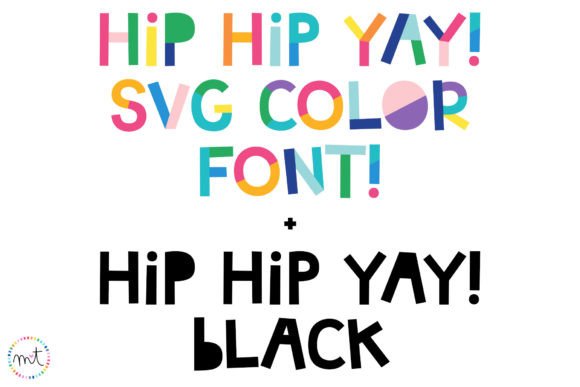
Hip Hip Yay: A Color Font That Makes Your Designs Pop
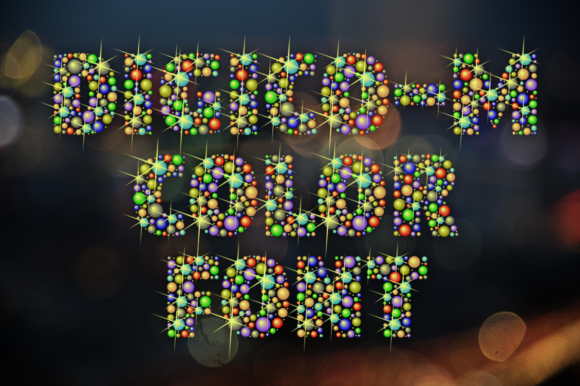
Imagine a typeface that doesn't just sit quietly on the page but practically throws a confetti party for your eyes. That's the kind of energy we're talking about when we look at Hip Hip Yay, a display color font designed for moments when subtlety is not the goal. If you have ever struggled to make a headline stand out in a crowded social media feed or needed a logo that instantly communicates "celebration," this typeface offers a solution that is both visually striking and surprisingly versatile. It is the kind of creative asset that can bridge the gap between a standard design and something that feels genuinely festive and engaging.
More Than Just a Pretty Typeface
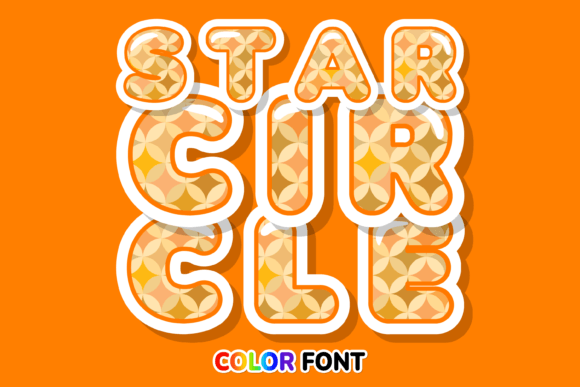
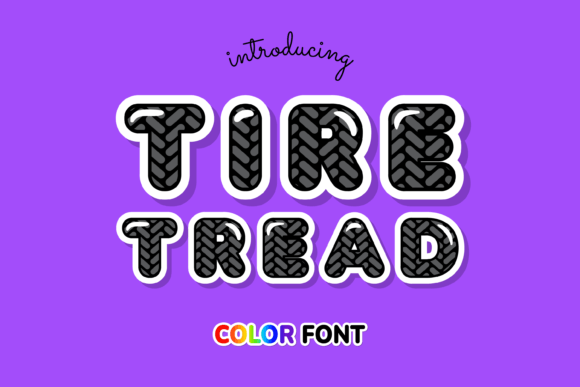
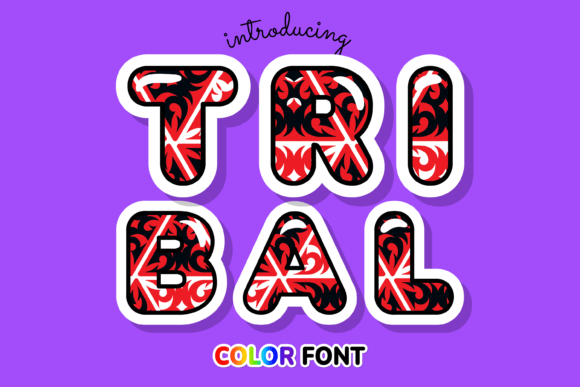
At its core, Hip Hip Yay is a premium font, but calling it just a font feels like calling a firework just a stick. It is a display typeface, meaning it is built specifically for impact rather than long-form body text. Think of the big moments in your projects: the title of a magazine spread, the hero text on a landing page, or the main message on a product label. This is where a creative font like this shines. Unlike standard serif font or sans serif font options that rely on simple outlines, color fonts utilize embedded data to display multiple colors, gradients, and textures within the glyph itself. This means you get complex visual effects—like layered colors or textured fills—without needing advanced graphic design skills to apply them manually.
For small business owners and content creators, this is a game-changer. Instead of spending hours in Photoshop trying to warp text to look hand-painted or retro, you simply type your words, and the design is already baked in. It allows you to maintain a high level of visual consistency across your branding without the steep learning curve of vector illustration. Whether you are launching a new product line or refreshing your Instagram aesthetic, having a typeface that does the heavy lifting allows you to focus on your message rather than the mechanics of design.
Practical Applications for Real-World Projects
So, where exactly does a bold, colorful typeface fit into your workflow? The applications are broader than you might initially think. It is not just for birthday cards; it is a serious tool for modern typography and brand identity. Here is how you can leverage this style in your next project:
- Packaging Design: If you sell physical goods, shelf appeal is everything. A font with built-in character can make your product packaging jump out against competitors. Imagine a snack bag or a cosmetics box where the flavor or product name is written in a vibrant, eye-catching script font style. It immediately signals quality and creativity.
- Logo Design: While not suitable for every brand, for those in the lifestyle, food, children's, or events sectors, a display font can be the foundation of a memorable logo. It conveys personality instantly.
- Social Media Graphics: In the fast-scrolling environment of Instagram or TikTok, you have seconds to grab attention. Bold typography is your best friend here. Using Hip Hip Yay for your quote graphics or sale announcements can significantly boost audience engagement.
- Editorial Design: Magazines and blogs often use creative typography to break up monotony. A quirky headline font can set the tone for an article before the reader even processes the first sentence.
- Merchandise: T-shirts, tote bags, and mugs rely heavily on graphics that look good at a glance. A typeface that mimics the look of high-quality screen printing or embroidery saves you design time and looks professional.
Furthermore, consider the realm of digital products. If you are selling planners, worksheets, or online courses, the cover slide or title page sets the expectation. A premium font choice signals value. It tells your customer that you care about the details, which builds trust in your brand identity before they even consume the content.
Strategic Pairings and Readability
One of the most common questions regarding display and handwritten font styles is about readability. Because these fonts are decorative, they are best used for headlines, sub-headers, and short bursts of text. You would not want to write a full paragraph in Hip Hip Yay, just as you wouldn't write a book in a script font. The goal is to use it for emphasis.
The magic often happens in the font pairing. To make a display font work effectively, you need to balance it with something clean and neutral. If you pair Hip Hip Yay with a highly ornate serif, the design will feel cluttered and difficult to parse. However, pairing it with a clean sans serif font—like a simple geometric or grotesque typeface—creates a beautiful contrast. The display font handles the "personality," while the sans serif handles the "clarity." This hierarchy ensures your design is both beautiful and functional.
When testing your pairings, look at the x-height and the overall weight. If your display font is thick and bold, your body text should generally be lighter to create that visual breathing room. This is a fundamental principle of design assets management: contrast creates interest, while similarity creates cohesion. You want a bit of both.
Licensing and Long-Term Value
For designers and entrepreneurs, the technical side of assets matters just as much as the aesthetic. When investing in a commercial font, licensing is a critical factor that is often overlooked until it becomes a problem. A "free for personal use" font cannot legally be used on a product you sell, a client's logo, or merchandise. This is why opting for a licensed, premium font is a safeguard for your business.
When you acquire a license for a typeface like Hip Hip Yay, you are paying for legal peace of mind and quality assurance. You ensure that the glyphs render correctly, that the kerning (spacing between letters) is professional, and that you have the legal right to monetize your creations. Always review the specific license details—whether it covers desktop use, web use (for web design), or app usage—depending on where your final product will live.
Ultimately, choosing a typeface is about choosing a voice for your visual communication. It is about finding a tool that aligns with your creative vision and supports your business goals. Whether you are a hobbyist making invitations for a friend's party or a marketing professional crafting a high-stakes campaign, having a font that brings joy and energy to the table makes the design process more enjoyable and the results more effective.