Floret: The Color Font That Feels Like a Summer Garden
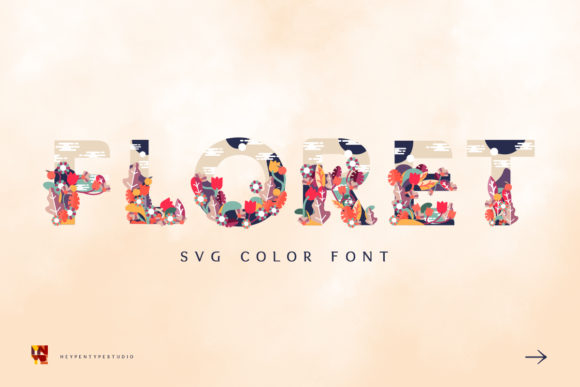
There are typefaces that simply sit on a page, performing their duty with quiet competence. And then there are typefaces that arrive, making an entrance so vivid and textured they demand to be noticed. Floret belongs firmly in the latter category. This isn't just another script or display font; it's a color font, a technological leap that embeds color, gradient, and texture directly into the letterforms themselves. The result is a typeface that looks less like typed characters and more like delicate, hand-painted botanical illustrations. For anyone whose work thrives on visual storytelling, seasonal branding, or a distinct artisanal feel, Floret offers a tool that can instantly elevate a project from standard to spectacular.
A Typeface with Built-In Artistry
What makes Floret so visually arresting is its core design philosophy. Imagine the elegant flow of a classic script font, but each stroke is rendered not in flat black, but in a watercolor wash of summer hues—soft pinks, creamy whites, leafy greens, and sun-kissed yellows. The details are remarkable: subtle gradients that mimic wet-on-wet watercolor bleeding, gentle texture that gives the impression of handmade craft, and a cohesive floral theme woven into the curves and terminals of each letter. This premium font transcends being a mere typeface; it’s a complete design asset that carries its own mood and palette.
Because it’s a color font, using it requires a bit of awareness. It shines brightest in applications that support OpenType-SVG or COLR color font formats, such as recent versions of Adobe Illustrator, Photoshop, InDesign, and many modern web browsers. In these environments, you get the full, vibrant effect. In unsupported software, it will typically revert to a standard single-color version, which is still beautifully crafted but loses the unique multi-color dimension. This is a key consideration when planning your workflow.
Where This Creative Font Truly Blooms
The practical applications for a font like Floret are as varied as a summer garden. Its inherent personality makes it ideal for projects where you want to evoke warmth, elegance, creativity, and a touch of nature.
- Brand Identity & Logo Design: For a boutique, a florist, a wedding planner, a specialty tea brand, or a skincare line, Floret can become the cornerstone of a brand identity. A logo set in Floret doesn’t just say a name; it communicates a sensory experience. It works beautifully for monograms, wordmarks, and hero text on packaging.
- Packaging & Merchandise: Physical products get an instant upgrade. Think gift tags, artisanal product labels, tote bag designs, or notebook covers. The font’s textured, artistic quality makes consumers feel the product inside is just as special.
- Digital Presence & Social Media: In the crowded space of social media graphics and web design, Floret is a scroll-stopper. Use it for Instagram quote graphics, Pinterest pin titles, website hero banners, or blog post headers. It ensures your visual consistency is strong and memorable, boosting brand recognition across platforms.
- Editorial & Print Layouts: Editorial design for magazines, lookbooks, or recipe books can leverage Floret for chapter titles, pull quotes, or section dividers. It adds a layer of sophistication and thematic cohesion that complements photography and sans serif font body text.
- Events & Invitations: Wedding suites, baby shower invites, garden party announcements, and event posters are perfect candidates. The font does half the design work for you, setting a celebratory and elegant tone instantly.
Pairing Floret with Purpose
Using a display font with such a strong character requires thoughtful pairing. The goal is to let Floret be the star while ensuring overall readability and professional balance. A good rule of thumb is to pair it with a neutral, clean companion.
- With a Clean Sans Serif: A modern, geometric sans serif font (like Montserrat, Lato, or Futura) provides a clean, contemporary counterpoint. Use the sans serif for body copy, captions, and UI elements. This pairing keeps the design grounded and highly legible, letting Floret headlines pop.
- With a Simple Serif: A classic, readable serif font (like Garamond, Baskerville, or a modern option like Lora) can create a more traditional, editorial feel. This works wonderfully for blogs, book covers, or upscale branding where a hint of timeless elegance is desired.
- Avoid Pairing with Other Scripts: Pairing Floret with another script font or handwritten font can create visual clutter and competition. Its uniqueness is best highlighted through contrast, not similarity.
Always test your pairings in context. Set a full mockup of your design—headlines, subheads, body text, buttons—to see how the hierarchy works and ensure the flow feels natural. Check the readability at small sizes, especially for the body text companion.
Practical Considerations for Your Project
Before diving in, review the font package thoroughly. Floret likely comes with multiple styles or alternates. You might find:
- Alternate Glyphs: Swashes or decorative versions of certain letters that add extra flair.
- Language Support: Check which character sets are included if you’re working on multilingual projects.
- Licensing: This is crucial. Understand whether the license covers commercial use for your specific needs—client work, merchandise for sale, digital products, etc. Reputable foundries and marketplaces are clear about this. Using a commercial font properly is non-negotiable for professional work.
Think about your audience. Floret’s aesthetic is universally appealing but particularly resonates with audiences who appreciate craftsmanship, nature, and beauty. It’s a powerful tool for connecting on an emotional level through modern typography. Its strength lies in its ability to convey a message before a single word is read, making it an invaluable asset for anyone looking to create marketing assets that truly connect and leave a lasting, beautiful impression.