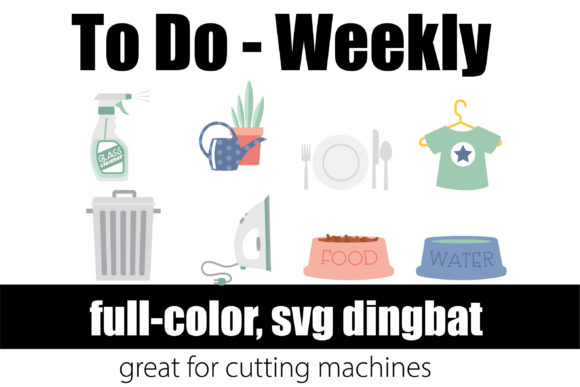
Discover the To Do - Weekly Font for Modern Designs
There’s a specific kind of frustration that comes with scrolling through endless libraries of standard fonts. You know the feeling: you have a brilliant concept for a logo, a social media campaign, or a product label, but every typeface you try feels flat, generic, or overused. We spend hours tweaking kerning and tracking, trying to inject personality into a font that was never designed to carry it. This is where specialized typography steps in to save the day. If you are looking to inject immediate energy, color, and structure into your next project, the To Do - Weekly color font is a design asset that demands your attention. It isn’t just another file to add to your collection; it is a creative tool designed to bridge the gap between a simple sketch and a polished, vibrant piece of visual communication.
The Rise of Color Fonts in Modern Typography
For decades, typography has been relatively static. We chose a typeface, set a color, and perhaps applied a gradient or texture in post-production. However, the evolution of OpenType-SVG technology has completely changed the game. This technology allows vector artwork, including multiple colors and transparency, to be embedded directly into a font file. When you install a color font like To Do - Weekly, you aren't just getting letter shapes; you are getting pre-designed, multi-colored graphics that function as text.
This shift is massive for efficiency. Previously, achieving a hand-painted or textured look required importing vector shapes, expanding them, and manually applying colors—a process that could take hours. With color fonts, that "drawn" aesthetic is baked right in. The To Do - Weekly typeface capitalizes on this by offering a design that feels organic and handcrafted, yet possesses the consistency required for professional branding. It captures the aesthetic of a high-end planner or a curated mood board, making it an incredibly versatile choice for creators who value both style and substance.
Practical Applications: Where This Typeface Shines
Understanding the technology is one thing, but knowing how to apply it to your specific workflow is what matters. The adaptability of this font makes it suitable for a wide range of creative industries. Whether you are a graphic designer working on client assets or a small business owner handling your own marketing, here is how you can leverage this style:
- Social Media Graphics: In the fast-paced world of Instagram, TikTok, and Pinterest, stopping the scroll is essential. The colorful, textured look of To Do - Weekly acts as a visual hook. It is perfect for creating bold headlines on quote graphics, story templates, or promotional banners that need to stand out against a busy feed.
- Branding and Logo Design: For brands targeting a youthful, creative, or lifestyle-oriented audience, this font offers a distinct personality. It works beautifully for boutique brands, creative agencies, or event planners who want a logo that feels approachable and artistic rather than corporate and rigid.
- Invitations and Event Stationery: Planning a wedding, a workshop, or a birthday party? The handwritten, colorful nature of this typeface sets an immediate tone. It suggests fun, creativity, and a personal touch, making it ideal for digital invites or printed flyers.
- Packaging and Merchandise: Product packaging needs to communicate quality and personality instantly. Using this font on box designs, tote bags, or t-shirt graphics can elevate a simple product into a piece of "merch" that people want to show off.
- Digital Products and Blog Headers: If you sell digital planners, ebooks, or online courses, using a cohesive design language is key. This font can serve as the hero element for your cover pages or chapter headings, giving your digital files a premium, polished look.
Enhancing Visual Consistency and Brand Recognition
One of the most undervalued aspects of design is consistency. When a brand uses the same visual cues repeatedly, it builds trust and recognition. However, many businesses struggle to maintain consistency because their design assets are too complex to replicate easily across different platforms.
This is where the utility of a dedicated display font comes into play. By adopting To Do - Weekly as your primary display or headline typeface, you create an instant "signature" look. Because the color and texture are embedded in the font, every time you type a header for a newsletter, a title for a YouTube video, or a caption for a graphic, the style remains identical. You don’t have to worry about matching hex codes or remembering which texture overlay you used last time. The font does the heavy lifting, ensuring your visual identity remains tight and recognizable.
Furthermore, professional presentation is about contrast. A well-designed layout usually pairs a "loud" element with a quiet one. This typeface works exceptionally well as a display font paired with a clean, minimalist sans-serif for body text. This pairing allows the vibrant personality of the header to capture attention while ensuring the main message remains readable and accessible.
Navigating Technical Compatibility
While the aesthetic appeal is clear, practical application requires a look at the technical side. It is important to note that To Do - Weekly is an OpenType-SVG font. This specific format is designed to support the rich color data within the file. Consequently, it behaves slightly differently than standard TTF or OTF fonts.
This typeface is fully compatible with professional design software such as Adobe Photoshop, Adobe Illustrator, Inkscape, and Silhouette Studio. These programs support the complex rendering required to display the colors and textures correctly. This makes it a powerhouse for desktop publishing and graphic design work.
However, it is equally important to understand where this font cannot be used. Because of the SVG data, the standard OTF and TTF files included in this package are not compatible with Cricut machines. Cricut Design Space requires specific font formats to function, and the embedded graphics in this file can cause errors or simply fail to load. If you are a crafter specifically looking for a file to cut vinyl or cardstock, you would need to convert the text to a standard path or use a different, non-color font for the cut lines. Always check your software’s compatibility with color fonts before purchasing to ensure a smooth workflow.
Tips for Pairing and Layout Strategy
To get the most out of your investment, you need to treat this font as a star player, not a background extra. Here are some strategic tips for incorporating it into your designs effectively:
- The Hierarchy Rule: Never use a heavy, textured display font for long paragraphs. It creates visual noise and hurts readability. Reserve To Do - Weekly for headlines, sub-headers, or short call-to-action phrases. Use a neutral serif or sans-serif for the bulk of your text.
- Color Coordination: Since the font comes with its own colors, ensure your background and surrounding design elements complement, rather than clash with, the font's palette. If the font has warm, hand-painted tones, stick to earthy or neutral backgrounds. If it is bright and primary, use clean white or black spaces to let it pop.
- Spacing Matters: Handwritten and display fonts often have unique spacing characteristics. After typing your message, review the kerning (space between individual letters). In design software like Illustrator, you can manually adjust the spacing between specific letter pairs (like "T" and "o" or "W" and "e") to ensure the flow looks natural and balanced.
- Testing Context: Before finalizing a design, view it at the size it will be consumed. If you are designing a mobile app icon, zoom out to see if the text is legible. If it’s a poster, view it from a distance. The intricate details of a color font can sometimes get lost if the text is scaled too small.
Maximizing Your Creative Assets
Investing in a premium font is about buying back time and elevating quality. When you have a strong design asset like the To Do - Weekly typeface in your toolkit, you reduce the time spent searching for the "right vibe." You stop struggling with complex layer styles and start enjoying the creative process.
For entrepreneurs and content creators, this translates to faster production cycles and more professional-looking output. Instead of spending an afternoon trying to create a hand-lettered look from scratch, you can type out your message, tweak the size, and move on to the next part of your project. It allows you to maintain a high standard of visual communication without requiring advanced illustration skills.
Ultimately, typography is the voice of your design. It sets the mood before the reader even processes the words. By choosing a typeface that is inherently expressive, adaptable, and technically robust, you are setting your projects up for success. Whether you are launching a new product line, refreshing your social media aesthetic, or designing a personal project, embracing the colorful, structured charm of this font could be the creative spark you’ve been looking for. Don't be afraid to experiment with pairings, play with scale, and let your designs do the talking.