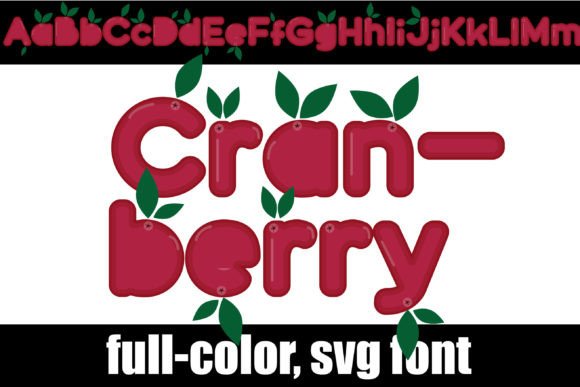
Cranberry Font: A Warm, Hand-Painted Typeface for Autumn Designs
There’s a particular quality to autumn light—the way it catches the edge of a turning leaf or warms the surface of a wooden table. It’s this feeling, this sense of cozy, organic texture, that the Cranberry font seeks to capture in letterform. For designers, crafters, and brand builders, finding a typeface that carries genuine warmth and personality can be the key to transforming a project from generic to memorable. Cranberry isn’t just another display font; it’s a full-color, hand-painted styleface designed to inject projects with the inviting spirit of the season.
Understanding the Visual Character of This Creative Font
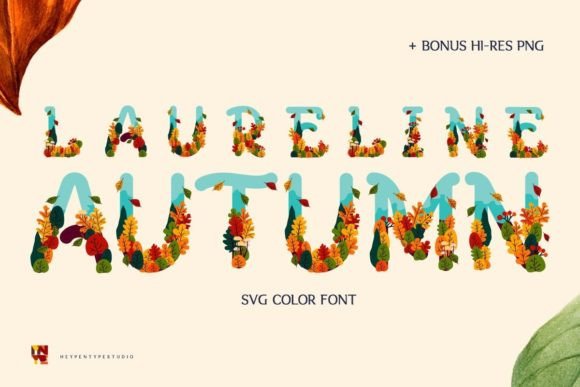
At its core, Cranberry is a decorative, full-color font. This means each letter is rendered with rich, cranberry-red hues and subtle leaf accents, creating an immediate visual impact that standard monochrome fonts cannot achieve. It’s built as an OpenType-SVG color font, a modern typography format that preserves the painterly details and gradients. The design includes alternate character cases for many letters, allowing you to introduce slight variations and avoid a repetitive, uniform look. This feature is invaluable for creating organic, authentic-looking text that feels handcrafted.
When selecting a display font like this, the goal is to align its personality with your project’s voice. Cranberry’s aesthetic leans toward the rustic, artisanal, and seasonal. It’s a premium font that communicates care, quality, and a connection to nature. Think beyond the obvious holiday use—consider it for a farm-to-table restaurant’s menu, a boutique skincare brand’s labels, or the header of a lifestyle blog focused on slow living. Its visual texture adds a layer of storytelling before a word is even read.
Practical Applications Across Creative and Commercial Projects
The true value of a distinctive typeface is measured in its versatility. Cranberry excels in applications where warmth, personality, and visual appeal are paramount. Its strength lies in headlines, logos, and short-form text where its detailed design can be fully appreciated without sacrificing readability.
For brand identity and logo design, Cranberry can serve as the centerpiece for businesses in the food, beverage, wellness, or artisanal goods space. Imagine it paired with a clean sans serif for body text on a jam jar label or a candle box. The font immediately sets a tone of handcrafted quality.
In packaging design, its full-color nature makes products stand out on shelves. It’s equally effective for social media graphics—think Instagram story headers, Pinterest pins, or Facebook banner text that needs to stop the scroll with a burst of seasonal charm. For digital products like downloadable planners, recipe cards, or e-book covers, it adds a professional, polished look that elevates perceived value.
Don’t overlook print. Cranberry is a natural fit for invitation design (weddings, harvest festivals, dinner parties), editorial layouts in magazines, poster design for local markets, or merchandise like tote bags and t-shirts. The key is to use it strategically—as a headline font or for key phrases—to maintain its impact and ensure legibility across different sizes and mediums.
Strategic Pairings and Readability Considerations
A great font pairing creates hierarchy and harmony. Because Cranberry is a bold, detailed display font, it should almost always be paired with a simpler, highly readable companion. A neutral sans serif font like Open Sans, Lato, or Montserrat makes an excellent partner for body copy, providing clear contrast without competing for attention. For a more traditional or elegant feel, a clean serif font like Lora or Playfair Display can complement its rustic notes.
Always test your pairings in context. View the Cranberry headline with your chosen body font at the actual size it will be used. Check for visual balance and ensure the body text remains easily readable. Remember, this is a creative font meant for emphasis. Avoid setting long paragraphs in it, as the intricate details can become visually taxing and hinder reading flow. Use it for titles, subheadings, pull quotes, or call-to-action buttons where its character can shine.
Before finalizing, explore the included alternate characters. Swapping in a few different letterforms can make your text look more dynamic and less like a standard font file. This small step significantly enhances the hand-painted, artisanal feel the font is designed to convey.
Integrating Cranberry Into Your Design Workflow
Adopting a new design asset like Cranberry requires a quick check of your tools. As an OpenType-SVG color font, it has specific compatibility requirements. It works seamlessly in recent versions of Adobe Photoshop, Adobe Illustrator, and the free vector editor Inkscape. It is also compatible with Silhouette Studio for those in the crafting community.
A crucial note for crafters: the standard OTF/TTF files are not compatible with Cricut Design Space. If you use a Cricut machine, you’ll need to consult the product’s specific guide or use a workaround, such as designing in a compatible program like Inkscape and then exporting as a flattened image or SVG for cutting. Always review the licensing agreement for your intended use, especially for commercial projects, to ensure compliance.
Start by applying it to a small, low-stakes project—a social media graphic or a personal blog header. This lets you get comfortable with its spacing, size requirements, and how it renders on screen versus in print. Pay attention to how the colors interact with your background. Often, a simple, solid background allows the cranberry hues and leaf details to pop most effectively.
Ultimately, choosing a font like Cranberry is about making an emotional connection with your audience. It’s a tool for visual communication that does more than convey words; it conveys a feeling. By applying it thoughtfully to the right projects and pairing it wisely, you can create designs that are not only professional but also deeply resonant and engaging.