Wood Plank: A Typeface with Authentic Rustic Character
There's a certain warmth that comes with natural materials—the grain of a weathered barn door, the rough-hewn surface of a cabin wall, the sturdy charm of a hand-painted sign outside a countryside shop. Capturing that feeling in digital design has always been tricky, but the Wood Plank color font makes it surprisingly straightforward. This isn't just another decorative typeface; it's a genuine lumber-themed display font that brings texture, depth, and personality to any project where you want to evoke craftsmanship, nature, or an outdoorsy aesthetic.
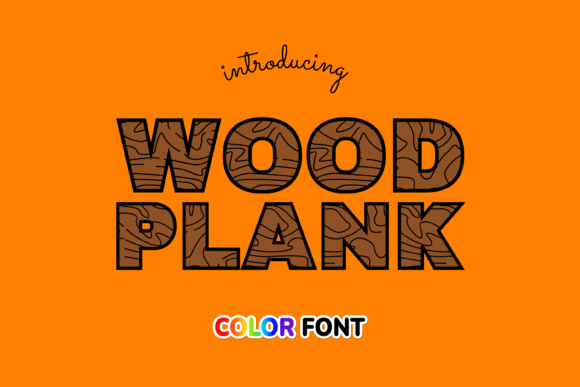
What sets this particular creative font apart is its status as an OpenType-SVG color font. Unlike standard typefaces that render in a single flat color, Wood Plank displays realistic wood textures directly within each letterform. The result looks like actual cut lumber arranged into letters—knots, grain patterns, and all. If you've ever struggled to layer textures over text in your design software, this font eliminates that step entirely. The effect is baked right in, saving you time while delivering a more polished result.
Where This Typeface Truly Shines
Think about the projects where a rustic, handcrafted visual language makes sense. A farm-to-table restaurant needs a brand identity that communicates freshness and authenticity. A craft brewery wants packaging that stands apart on a crowded shelf. A hiking blog needs headers that immediately signal adventure. A small-town hardware store is refreshing its signage. In each of these scenarios, Wood Plank fits naturally because it speaks the visual language of the outdoors, of making things by hand, of quality materials.
For logo design, this display font offers an immediate visual hook. Imagine a logo for a woodworking shop or a cabin rental service—using this typeface as the primary wordmark instantly communicates what the business is about without needing additional explanation. The texture within the letters does the storytelling. Pair it with a clean sans serif font for taglines or body copy, and you've got a brand system that feels cohesive and intentional.
Packaging design is another arena where this typeface excels. Products positioned as artisanal, organic, or handcrafted benefit enormously from typography that reinforces those claims visually. Whether you're designing labels for homemade jams, candle packaging, or barbecue sauce bottles, the wood texture in the letterforms adds a tactile quality that flat fonts simply can't match. It tells customers, before they even read the words, that this product has character.
Practical Applications Across Print and Digital
Social media managers and content creators will find plenty of use for Wood Plank in their graphics. Instagram posts announcing seasonal sales, Pinterest pins for DIY projects, Facebook headers for outdoor recreation brands—the font grabs attention in crowded feeds precisely because it looks different from the typical sans serif or script font everyone else is using. It's a premium font that gives your graphics an editorial-quality edge without requiring advanced design skills.
For web design, this typeface works beautifully as a headline or accent font on sites related to outdoor living, real estate in rural areas, adventure tourism, or sustainable products. Used sparingly in hero sections or section headers, it adds visual interest and reinforces brand messaging. Just be mindful of readability at smaller sizes—display fonts like this one are built for impact, not for paragraphs of body text.
Print materials benefit equally. Think posters for farmers' markets, invitations for rustic weddings, menus for lodge-style restaurants, or editorial layouts in lifestyle magazines. The wood plank texture translates beautifully to print, especially on uncoated paper stocks that complement the natural aesthetic. Event planners and stationery designers looking for something beyond standard script fonts will appreciate the distinctiveness here.
Making It Work in Your Design System
One of the most important things to understand about any creative font is how it fits into a broader design system. Wood Plank is a display typeface, which means it's designed for large-scale use—think headlines, logos, and banners rather than email body copy or product descriptions. Pairing it thoughtfully is essential. A simple, clean sans serif font like a geometric or grotesque style makes an excellent companion, providing the readability that Wood Plank intentionally trades for visual drama.
When selecting a font pairing, consider contrast. The rustic, textured nature of Wood Plank pairs best with something modern and minimal. Avoid combining it with other highly decorative fonts, as the result will feel cluttered and confusing. The goal is visual hierarchy—let the wood-textured typeface command attention where it matters most, and let your secondary font handle the supporting information clearly.
Readability deserves special attention with any textured display font. Test your designs at the actual size they'll be viewed. A header that looks stunning on your 27-inch monitor might lose legibility when viewed on a phone screen. Check letter spacing and line height. If certain letter combinations feel too tight or too loose, adjust your tracking. The goal is maximum visual impact without sacrificing comprehension.
Compatibility and Technical Considerations
Before committing to Wood Plank for a project, it's worth understanding the technical side. As an OpenType-SVG color font, it requires compatible software to render properly. Photoshop, Illustrator, Silhouette, and Inkscape all support this format, which covers the majority of professional and hobbyist design workflows. The product includes both OTF and TTF files, though it's important to note that these are not compatible with Cricut machines. If you're a crafter who relies on Cricut for cutting projects, this is a limitation worth knowing upfront.
For anyone new to color fonts, the learning curve is minimal but real. The Ultimate Font Guide referenced with this product is a worthwhile resource for understanding how to get the most out of the files. Color fonts behave slightly differently from standard typefaces in how they display and export, and a few minutes of reading can prevent frustration down the line. This is especially true if you're working on commercial projects where final output quality matters.
Speaking of commercial use, always review the licensing terms included with any commercial font purchase. Understanding what's permitted—whether it's unlimited personal use, a set number of commercial projects, or specific restrictions on merchandise—protects both you and the font creator. Responsible font licensing is a small detail that separates professional designers from hobbyists, and it's worth getting right from the start.
Choosing the Right Moments for Maximum Impact
Not every project calls for a textured, lumber-themed typeface, and that's exactly what makes Wood Plank effective when you do use it. Brand recognition improves when your typography choices are deliberate and consistent. If you run an outdoor adventure company, using this font across your headers, merchandise, and marketing assets creates a unified visual identity that customers begin to associate exclusively with your brand. Consistency builds trust, and trust builds businesses.
For merchandise design—t-shirts, mugs, tote bags, stickers—this font delivers a ready-to-print aesthetic that resonates with audiences who value authenticity. Etsy sellers, small-batch producers, and local artisans can use it to create product graphics that look professionally designed without hiring an agency. The wood texture gives even simple text layouts a finished, intentional quality.
Ultimately, the best typography decisions come from understanding your audience and your message. If your project calls for warmth, texture, and a connection to natural materials, Wood Plank is a design asset worth exploring. It fills a specific niche with genuine visual authenticity—and in a landscape full of generic sans serifs and overused scripts, that specificity is exactly what makes a design memorable.