Why Block is the Bold, Playful Font Your Designs Have Been Missing
There’s a certain kind of energy that grabs your attention and doesn’t let go. It’s the feeling of a vintage comic book cover, the bold outline of a Saturday morning cartoon title, or the playful punch of a pop art poster. Capturing that specific, iconic vibe in a modern design project can be tricky, but the right typeface does the heavy lifting for you. This is where a display font like Block comes into play. Inspired by the spirit of pop art and cartoon typefaces, it’s a design asset built for impact. But before you dive in, it’s important to know exactly what you’re working with. This isn’t your standard font file; it’s a color font, specifically an OpenType-SVG type, which brings a whole new dimension to your creative work.
A Typeface with a Personality as Big as Its Letterforms
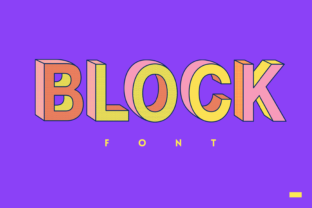
So, what makes Block visually appealing? Its personality is front and center. This isn't a quiet, background player. It’s a headliner. The letterforms have a substantial, blocky weight that feels friendly and approachable, yet confident. The rounded edges soften the impact, preventing it from feeling aggressive, while the inherent structure gives it a retro-modern charm. It’s the kind of typeface that feels instantly familiar, tapping into a visual language we all recognize from cartoons, signage, and playful branding.
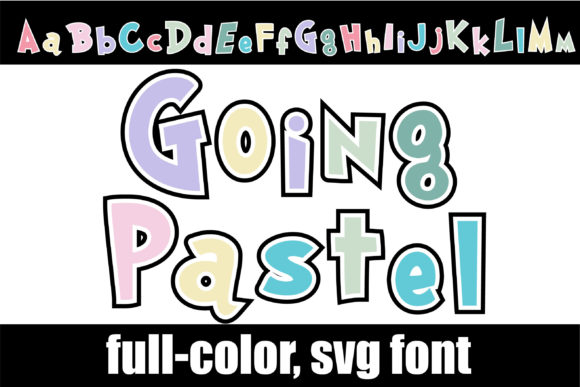
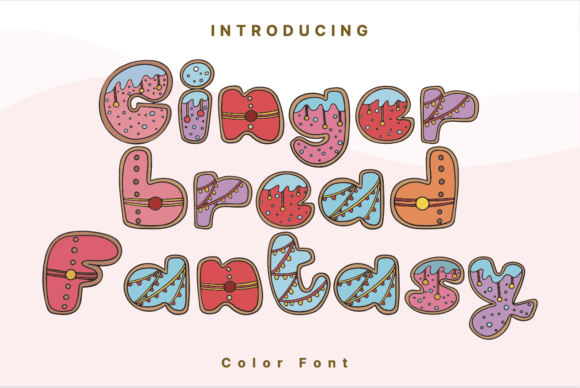
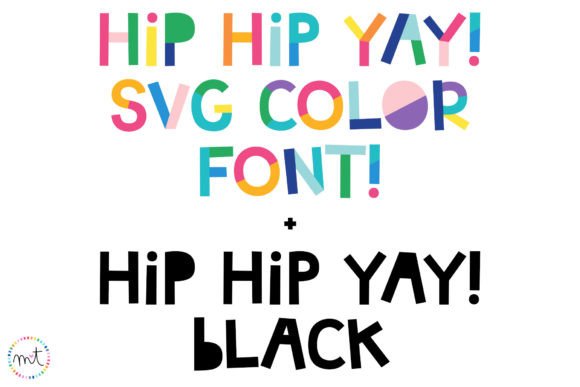
The real magic, however, lies in its nature as a color font. Traditional fonts are single-color; you pick a color in your design software, and the entire letter changes. A color font like Block arrives with color, gradients, and even texture built directly into the letterforms themselves. Imagine a letter with a vibrant blue fill, a darker blue shadow, and a crisp black outline, all contained in a single glyph. When you type with Block, you’re not just adding letters; you’re adding pre-designed, multi-colored visual elements. This feature alone can save hours of manual editing and opens up creative possibilities that are simply not possible with standard typefaces.
From Brand Identity to Social Media Feeds: Practical Applications
The true test of any premium font is how it performs in the wild. Its bold, graphic nature makes it incredibly versatile for projects that need to stand out. For branding, especially for small businesses, startups, or personal brands targeting a younger, energetic audience, Block can become the cornerstone of a visual identity. Think of a children’s party planner, a retro-themed diner, a podcast about pop culture, or a line of quirky handmade goods. Using Block for the primary logo or key headlines instantly communicates a sense of fun, creativity, and approachability.
This extends seamlessly into packaging design. On a shelf crowded with minimalist sans serif fonts and elegant scripts, a product wrapped in Block’s colorful, cartoon-esque letters is impossible to ignore. It’s perfect for snack foods, craft beverages, toy packaging, or any product that wants to convey joy and excitement. The same principle applies to social media graphics. In a fast-scrolling feed, a bold, colorful headline set in Block can stop thumbs and boost engagement. Use it for Instagram story highlights, YouTube thumbnails, podcast cover art, or promotional graphics for a sale. It injects personality into digital marketing assets, making them more memorable and shareable.
Readability and Professional Presentation
While its decorative nature is its main strength, it’s crucial to consider readability. Block is a display font, meaning it’s designed for large sizes—think headlines, logos, and posters, not body copy. Using it for a paragraph of text would be a mistake, as the intricate details and bold weight would create visual fatigue. The key is to pair it thoughtfully. Let Block handle the big, attention-grabbing headlines, and then use a clean, highly legible sans serif font for your body text, captions, or any detailed information. This contrast not only ensures your message is understood but also creates a professional, balanced layout where the display font shines without overwhelming the entire design.
For print materials like event posters, flyers, or invitations, Block’s high-impact style is a natural fit. It can make a bake sale poster feel more exciting or a child’s birthday invitation more playful. For editorial designers, it can add a burst of energy to magazine covers or feature article headers. Even for web design, using it sparingly for key section headings can break up the monotony of a text-heavy page and inject brand personality directly into the user experience.
Making It Work: Practical Tips for Using Block
Getting the most out of a creative font like this involves a few practical considerations. First, always think about your project’s goal. Are you aiming for a nostalgic, retro feel? A modern, playful vibe? The context will guide how you use it. Second, font pairing is everything. As mentioned, a simple sans serif like Helvetica, Arial, or a modern geometric sans will create a perfect counterbalance. You could also explore pairing it with a clean serif font for a more sophisticated, editorial contrast, though that’s a bolder stylistic choice.
Before purchasing any commercial font, it’s vital to understand the licensing. Ensure the license covers your intended use, whether it’s for a personal blog, client work, or products for sale. Another critical point, especially with Block, is software compatibility. Because it is an OpenType-SVG color font, it requires specific software to function correctly. It works wonderfully in modern versions of Adobe Photoshop, Adobe Illustrator, Silhouette Studio, and Inkscape. However, the OTF and TTF files are not compatible with Cricut Design Space. This is a crucial detail for crafters to know upfront. If you’re new to working with this type of font, seeking out a guide on color fonts is a wise step to avoid frustration.
Finally, take the time to explore all the included font styles and characters. Many premium fonts come with alternates, ligatures, or additional glyphs that can add even more custom flair to your designs. Experiment with different color combinations if the font allows for it, and see how it feels across various mockups before finalizing your design. A font like Block isn’t just a set of letters; it’s a tool for injecting a specific, vibrant energy into your work. When used thoughtfully, it can elevate a simple project into something truly memorable and engaging.