Lazy Olov: Scandinavian-Inspired Color for Your Designs
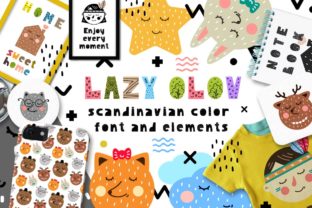
Finding a typeface that does more than just sit on a page is a challenge every designer and creative professional faces. You need something with personality, something that tells a story before a single word is read. Imagine a font that captures the clean lines and cozy warmth of Nordic design, but injects it with a vibrant, modern twist. That’s the promise of Lazy Olov, an incredible color font that brings a unique and playful energy to any project it touches.
The Visual Charm of a Scandinavian-Inspired Typeface
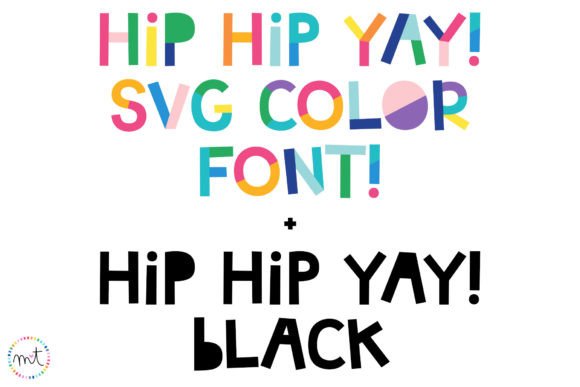
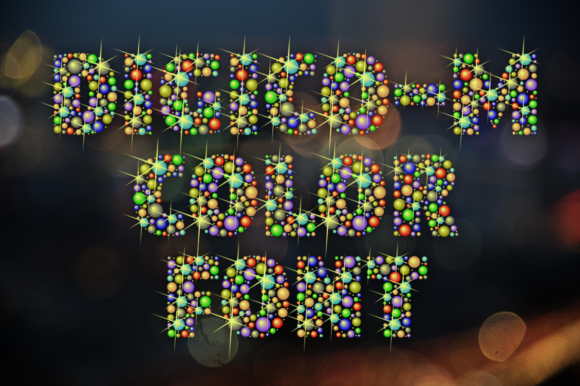
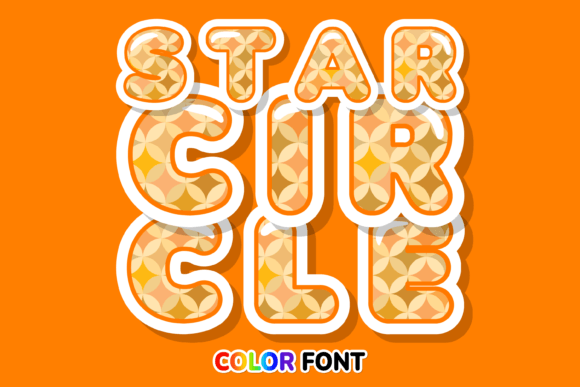
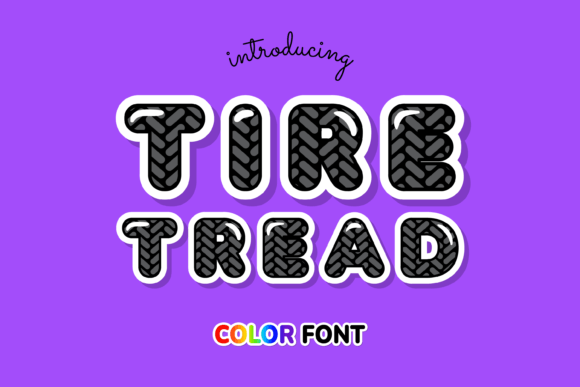
What immediately sets this font apart is its foundation in Scandinavian design principles. Think of the simplicity, functionality, and natural beauty associated with Nordic aesthetics. Now, translate that into letterforms. You get a typeface that feels both familiar and fresh. The shapes are often clean and geometric, but the color element—enabled by the OpenType-SVG technology—adds a layer of depth and texture that standard fonts simply can't achieve. Each character can contain multiple colors, gradients, and even subtle textures, making it a dynamic design asset in its own right.
This isn't just about looking pretty. The practical impact on branding and visual communication is significant. For a small business or entrepreneur, using a premium font like this can instantly elevate brand recognition. It creates a memorable visual hook. A logo set in a distinctive color font doesn't just say your company's name; it conveys a mood—playful, creative, and contemporary. It becomes a cornerstone of a cohesive brand identity, easily recognizable across different platforms.
Practical Applications Across Your Creative Projects
So, where can you actually use a typeface like this? The versatility might surprise you. Its character makes it ideal for projects where you want to capture attention and inject personality.
- Branding & Logo Design: This is where it truly shines. A wordmark or logotype using this font becomes an instant focal point. It’s perfect for brands in lifestyle, food, children's products, artisanal goods, or any field where creativity and approachability are key.
- Packaging Design: On a shelf crowded with competitors, a product label or box that uses a colorful, textured font for its name will stand out. It communicates quality and thoughtfulness, suggesting the product inside is equally special.
- Social Media Graphics: In the fast-scroll of Instagram or Pinterest, a bold, colorful headline font stops the thumb. Use it for quote graphics, announcement posts, or profile headers to create a consistent and engaging feed aesthetic.
- Website Headers & Blogs: While body text needs to be highly readable, your website's hero section or blog post titles are prime real estate for a display font with flair. It can set the tone for your entire site and make your content more inviting.
- Print Materials & Posters: From event posters and flyers to business cards and thank-you notes, adding this font brings a tactile, crafted feel. It works beautifully for invitation design, making the event feel special from the first look.
- Merchandise & Digital Products: Think about t-shirts, tote bags, mugs, or even digital planners and e-book covers. A unique typeface can turn a simple item into a desirable piece of branded merchandise or a standout digital asset.
Making It Work: Practical Typography Tips
Having a great font is one thing; using it effectively is another. Here’s how to integrate a creative font like this into your workflow for the best results.
Pairing is Everything. A font with this much personality rarely works well alone for all text. The key is to find a strong, quiet partner. Pair it with a simple, clean sans serif font for body copy. A neutral serif font can also create an interesting contrast for a more classic feel. The goal is to let the display font be the star while ensuring the supporting text remains perfectly readable. Test a few combinations to see what feels balanced.
Consider Your Context. Always think about the final use. Is it for a large-format poster where details will be visible, or a small website button? While it’s a display font meant for headlines, ensure the specific color and texture remain clear at the intended size. Always check the font pairing at the actual scale it will be used.
Review the Included Styles. A good font family often comes with variations. Check if the package includes different weights or stylistic alternates. This gives you more flexibility to create hierarchy and emphasis within your designs without needing to find another complementary typeface.
A Note on Compatibility and Licensing. This is a crucial, practical step. This is an OpenType-SVG color font. That means its full-color capabilities are supported in specific applications like Adobe Photoshop, Illustrator, Silhouette, and Inkscape. It’s vital to know that the standard OTF and TTF files are not compatible with Cricut machines. For crafters, this is a key consideration. Always verify that the font’s technical specifications match your software. Furthermore, review the commercial license. If you’re using it for client work, merchandise, or digital products for sale, you need to ensure the license covers those uses. Most premium fonts come with clear licensing terms for commercial projects.
Enhancing Your Visual Communication Strategy
Ultimately, the tools you choose should serve your communication goals. A typeface like this isn't just a decorative element; it's a strategic component. It can help improve visual consistency across a campaign, making all your assets feel connected. It boosts professional presentation by showing attention to detail in your typography choices. Most importantly, it drives audience engagement. People respond to design that feels human, creative, and intentional. A playful, well-chosen font can make your message more relatable and memorable.
Whether you're a designer looking for a fresh asset, a small business owner building a brand identity, or a content creator crafting your visual voice, exploring typefaces with distinct character is worth the effort. It’s about finding the right voice for your project’s visual story.