Creative Winter: A Whimsical Font for Seasonal Branding
There’s a particular magic that comes with the first snowfall—the way it blankets the world in quiet color, turning ordinary streets into scenes from a storybook. Capturing that feeling in design work can be tricky. You want something that feels festive and joyful without tipping into cliché territory. That’s where a thoughtfully crafted typeface can make all the difference, setting the mood before a single word is read.
Visual Appeal and What Sets This Typeface Apart
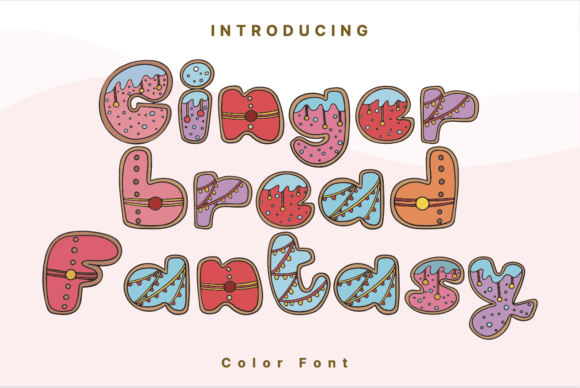
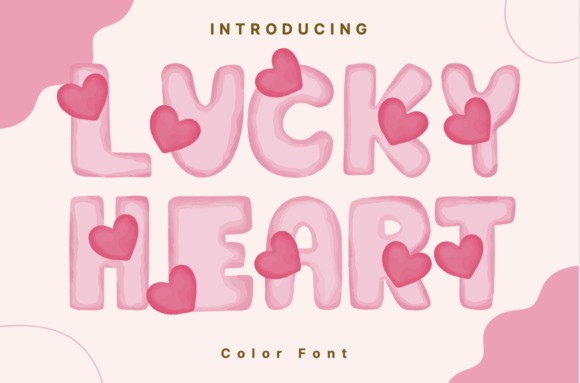
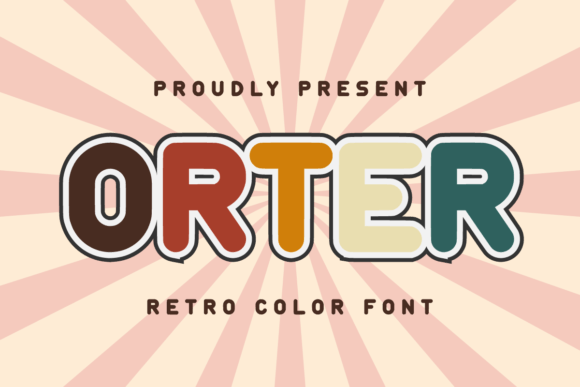
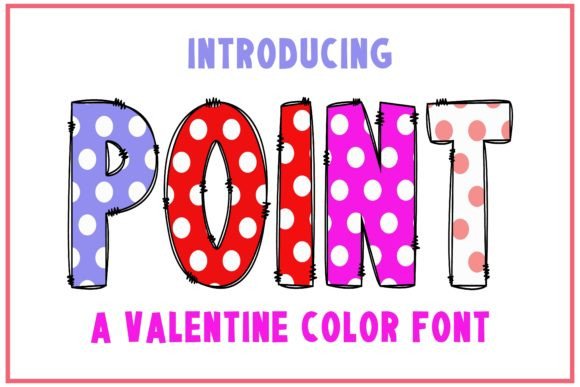
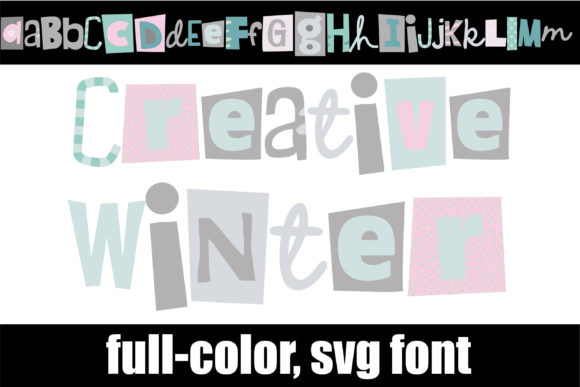
This full-color font immediately draws you in with its playful, hand-lettered aesthetic. Each character is rendered in a winter-inspired color palette—think icy blues, soft grays, warm berry tones, and touches of evergreen. The letterforms themselves have a whimsical quality, with gentle curves and irregular edges that feel handmade rather than digitally sterile. It’s the kind of typography that brings warmth to cold-weather projects, balancing charm with enough structure to remain legible at various sizes.
One feature worth noting is the inclusion of alternate upper and lowercase characters. Accessible through your system’s character map, these variations give you additional creative flexibility. You can swap out certain letters to avoid repetition, create more dynamic compositions, or simply find the version that best suits a particular layout. For anyone who’s ever struggled with a font that felt too uniform, this kind of thoughtful design detail is a welcome addition.
Practical Applications Across Creative Projects
The versatility of a font like this extends far beyond holiday greeting cards. Consider how it could transform seasonal product packaging for a small-batch candle maker or a specialty food brand. The whimsical lettering adds personality to labels without overwhelming the product information, striking that balance between eye-catching and functional. For social media managers planning winter campaigns, this typeface can help create cohesive graphics that feel distinctly on-brand while still capturing the seasonal spirit.
Bloggers and content creators will find it particularly useful for headers and featured images. Imagine a lifestyle blog’s December content calendar, where each post title uses this font to signal a shift into winter-themed content. The consistency across graphics builds visual recognition, helping readers immediately identify the blog’s seasonal offerings. For digital product creators—think planners, printable wall art, or social media templates—this font offers a ready-made aesthetic that feels premium and polished.
Editorial designers working on magazine layouts or lookbooks can use it for pull quotes, section headers, or cover lines that need to convey a specific mood. Wedding invitation designers might find it perfect for winter nuptials, where the font’s personality complements formal layouts without feeling stuffy. Even merchandise like tote bags, mugs, or apparel can benefit from this kind of distinctive typography that stands out in a crowded market.
Strengthening Brand Identity and Recognition
Typography is one of the most powerful tools in a brand’s visual arsenal. The right font choice communicates personality, values, and tone before a customer reads a single word. For businesses that want to convey creativity, warmth, and approachability, a font like this can become a signature element of their visual identity. When used consistently across touchpoints—from website headers to packaging inserts to email newsletters—it builds recognition and reinforces brand personality.
Consider a small bakery that specializes in holiday treats. Using this typeface across their social media graphics, menu boards, and takeaway packaging creates a cohesive experience that feels intentional and professional. Customers begin to associate that distinctive lettering with the brand itself, strengthening recall and emotional connection. This is the kind of subtle branding work that separates memorable businesses from forgettable ones.
For freelancers and agencies, having a font like this in your toolkit means you’re prepared when clients request seasonal or whimsical design work. Rather than scrambling to find something suitable, you can confidently present options that feel curated and thoughtful. This readiness not only saves time but also positions you as a designer who anticipates needs and has resources at the ready.
Working With Color Fonts: Compatibility and Considerations
It’s important to understand what you’re working with. This is an OpenType-SVG color font, which means the characters contain embedded color information rather than relying on a single flat color you apply later. This technology allows for the rich, multi-hued letterforms that make this typeface so visually striking. However, it does come with specific compatibility requirements worth noting before you purchase.
The font works seamlessly in Adobe Photoshop, Adobe Illustrator, Silhouette Studio, and Inkscape. These applications support the SVG color font format, allowing you to use the typeface as intended with all its color complexity intact. If you primarily work in these environments, you’ll have no issues incorporating it into your projects. The included OTF and TTF files, however, are not compatible with Cricut Design Space. If you’re a Cricut user who needs this font for cutting projects, you’ll want to explore workarounds or consider whether this particular typeface fits your workflow.
For those new to color fonts, there’s a learning curve worth embracing. The Ultimate Font Guide mentioned in the product details is an excellent resource for understanding how to access alternate characters, manage color font layers, and troubleshoot common issues. Taking twenty minutes to review that guide can save hours of frustration down the line, especially if you’re integrating this typeface into a larger design system.
Pairing and Readability in Real-World Use
Every display font needs a supporting cast. Because this typeface has such a strong personality, it works best when paired with simpler, more neutral fonts for body text. A clean sans-serif or a straightforward serif font provides the readability that longer paragraphs demand, while the whimsical display font handles headlines, titles, and accent text. This contrast creates visual hierarchy and ensures your designs feel balanced rather than chaotic.
Test your pairings at actual sizes before committing. A combination that looks beautiful in a mockup might feel cluttered when applied to a real social media graphic or printed invitation. Pay attention to spacing, line height, and how the two fonts interact visually. Sometimes adjusting the size of the display font by just a few points can make the difference between a design that feels harmonious and one that feels disjointed.
Readability should always be a priority, even with decorative fonts. Avoid using this typeface for long blocks of text or critical information like pricing, dates, or contact details. Instead, reserve it for moments where personality and visual impact matter most—headers, featured quotes, product names, or call-to-action phrases. Let the supporting typography handle the heavy lifting of communication while this font does what it does best: setting the mood and catching the eye.
Final Thoughts on Making This Font Work for You
The best design assets are ones that solve real problems and open creative doors. A font like this isn’t just about pretty letters—it’s about giving yourself permission to create something that feels specific and intentional. Whether you’re a small business owner planning a winter product launch, a designer building out a client’s seasonal campaign, or a crafter looking to add professional polish to personal projects, having the right typography at your fingertips changes how you approach the work.
Take time to explore the alternate characters and experiment with different combinations. Play with scale, try unexpected color pairings, and see how the font behaves across different applications. The more familiar you become with its strengths and limitations, the more confidently you’ll use it—and the better your results will be. Typography is both an art and a tool, and the most effective designers know how to wield both sides with equal skill.