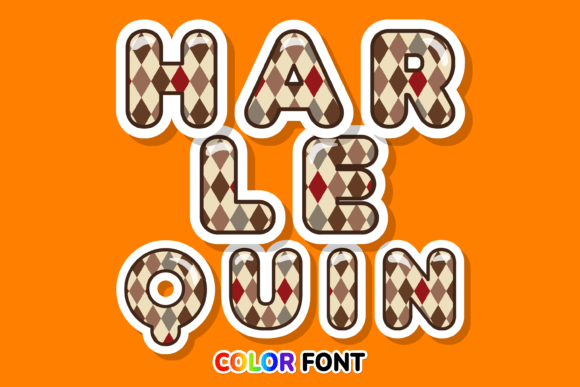
Harlequin: A Vibrant Color Font for Bold Creations
There are moments in a creative project when a standard typeface just won't do. You've designed a brilliant concept, you have the perfect imagery, but the typography feels flat, lacking the energy to match your vision. This is where a font with personality and built-in visual flair becomes essential. If you're searching for a way to inject immediate vibrancy and a sense of playful sophistication into your work, a typeface like Harlequin is worth your attention. It's a color font that arrives with a pre-designed, multi-hued character, ready to make your headlines pop and your logos unforgettable.
Understanding the Color Font Revolution
Before diving into specific applications, it's helpful to grasp what a color font, or OpenType-SVG font, actually is. Unlike traditional fonts that render in a single solid color you choose, a color font contains its own graphic data. This means each glyph can have multiple colors, gradients, or even textures embedded directly within the font file itself. The Harlequin font leverages this technology to deliver a stunning, pre-colored design that maintains its intricate appearance at various sizes. This is a significant leap forward for designers, as it allows for complex typographic effects without the need to manually outline text and apply multiple fills or gradients in post-production. It streamlines the workflow for creating show-stopping display text.
It's crucial to note the compatibility specifics for a product like this. Being an OpenType-SVG font, Harlequin is designed to work seamlessly with professional design software that supports this format, such as Adobe Photoshop, Adobe Illustrator, and the open-source Inkscape. It is also compatible with the Silhouette design software. However, the OTF or TTF files are not compatible with Cricut machines, as they do not support color font technology. Always verifying software compatibility before purchasing a design asset ensures a smooth creative process and prevents frustration down the line.
Where Vibrant Typography Truly Shines
The true value of a premium font like Harlequin is measured in its real-world application. Its bold, colorful character makes it an exceptional choice for projects where grabbing attention is paramount. Think of the header for a festival poster, the title on a vibrant podcast cover, or the standout text on a product label. In logo design, using such a distinctive display font for a wordmark can create immediate brand recognition, especially for businesses in creative, youthful, or entertainment-focused industries. The key is to use it strategically, allowing its unique personality to serve as a focal point without overwhelming the entire design.
Consider its utility across different mediums. For social media graphics, a headline set in Harlequin can stop the scroll, making your Instagram story or Facebook ad visually compelling. On packaging design, it can highlight a special edition or a key product feature. For bloggers and content creators, it can add a signature style to featured images or chapter titles in a digital magazine. Even in editorial layouts for invitations or event programs, this font style can set a festive and sophisticated tone. The goal is to match the font's inherent energy with the project's intended message and audience.
Integrating a Display Font into Your Design System
Using a powerful display font effectively requires a thoughtful approach to ensure it enhances, rather than hinders, your overall design. One of the most important considerations is readability. A font like Harlequin, with its detailed, colored forms, is best suited for short bursts of text—headlines, titles, logos, and pull quotes. For body copy or lengthy paragraphs, you should always pair it with a highly legible serif or sans-serif font. This contrast creates a visual hierarchy that guides the reader's eye, making your content both beautiful and easy to consume.
Choosing the right font pairing is a critical skill. To let Harlequin be the star, pair it with a clean, neutral typeface. A classic sans-serif like Helvetica or a modern geometric sans can provide a clean counterpoint. If your brand identity leans more traditional, a simple serif font like Garamond can also create an elegant balance. Before finalizing any pairing, always test it in context. View the headline and body text together at the actual size they will be used. Check for legibility on both screen and print mockups. This practical testing phase is non-negotiable for professional presentation.
Beyond the Font File: Strategic Brand Applications
When you invest in a creative font for commercial use, you're not just buying a set of letters; you're acquiring a design asset that can strengthen your brand identity. A distinctive typeface like Harlequin can become a core component of your visual language, used consistently across your marketing assets to build recognition. Imagine it on your website's hero section, your business cards, your merchandise, and your email newsletter headers. This consistent application of a unique font helps solidify how your audience perceives your brand, making it more memorable and professional.
Furthermore, understanding the licensing of your chosen font is paramount for any commercial project. Always review the license agreement included with your purchase to understand the scope of use. Most premium fonts allow for use in digital products, on websites, in print, and on merchandise, but specific terms can vary. Ensuring you have the correct commercial license protects your business and respects the work of the type designer. For anyone serious about their design projects, exploring the full potential of a font like Harlequin means considering not just its aesthetic appeal, but its role in your broader branding and communication strategy.