Goal: A Bold Typeface That Commands Attention
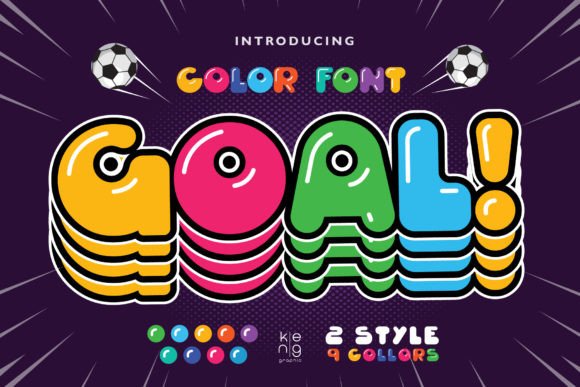
You know the feeling when you're scrolling through your feed and something just stops you mid-scroll? That's exactly what the Goal typeface does—it grabs eyeballs and doesn't let go. This cartoon-style display color font brings an unmistakable punch to any project, transforming ordinary text into something people genuinely want to look at. Whether you're designing a movie poster, crafting social media content, or building out a brand identity that needs to feel energetic and youthful, Goal delivers that instant recognition factor that so many designers chase but rarely find.
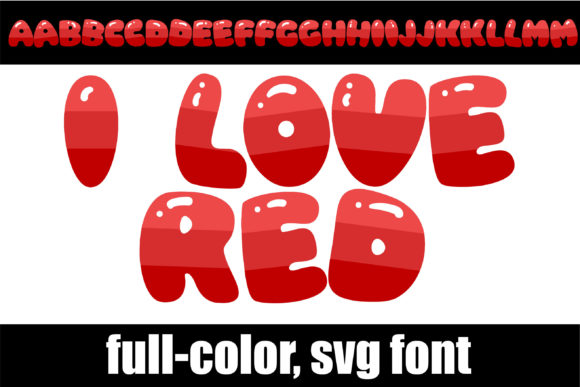
What makes this particular typeface stand out in a sea of display fonts? It's the combination of bold, playful letterforms with the added dimension of color built directly into the font itself. We're not talking about a flat, single-tone typeface here. Goal is an OpenType-SVG color font, meaning the color information lives inside the font file. The result is text that looks vibrant and dynamic the moment you type it, without needing to layer effects or apply manual color treatments in your design software.
Where This Font Truly Shines
Think about the projects where you need text to do more than just convey information. Comic book covers, online game interfaces, trading card designs, eye-catching merchandise—these are spaces where a premium font with personality isn't just nice to have, it's essential. Goal was built for exactly these moments. The cartoon aesthetic carries a sense of courage and youthfulness that resonates with audiences who respond to bold, confident visual communication.
For small business owners working on packaging design, this typeface can become the centerpiece of your product's shelf presence. Imagine a snack brand, a toy company, or a specialty beverage line where the packaging needs to communicate fun and energy at a glance. Goal handles that responsibility naturally. The letterforms are thick enough to read from a distance, playful enough to suggest excitement, and distinctive enough that your brand becomes immediately recognizable across different touchpoints.
Content creators and social media managers will find particular value here too. We all know the algorithm rewards engagement, and visually striking graphics are one of the most reliable ways to earn those clicks, shares, and saves. Using Goal for headlines, callouts, or featured text in your Instagram posts, YouTube thumbnails, or TikTok graphics gives your content a professional edge while maintaining that approachable, energetic vibe that audiences connect with emotionally.
Practical Applications Across Design Disciplines
Let's get specific about where this typeface fits into real-world workflows. In logo design, Goal works best as a primary wordmark for brands that want to project confidence, playfulness, or action-oriented energy. Sports teams, fitness brands, children's entertainment companies, gaming studios, and event promotions all benefit from a display font that carries this much visual weight. Pair it with a clean sans serif font for body text, and you've got a typographic system that balances impact with readability.
For editorial design and magazine layouts, Goal serves beautifully as a headline or pull-quote typeface. Think feature stories about extreme sports, youth culture, gaming culture, or entertainment news. The cartoon-style aesthetic adds personality without sacrificing clarity, which is a balance that many display fonts struggle to achieve. When readers flip through pages or scroll through a digital publication, these headlines create visual anchors that guide the eye and establish a rhythm throughout the layout.
Poster design is another natural home for this typeface. Movie titles, concert promotions, festival announcements, sports events, and community gatherings all require typography that communicates energy and urgency. Goal does this work effortlessly. The built-in color capability means your poster text can coordinate with your color palette from the start, reducing the time you spend on post-processing and giving you more room to focus on composition and messaging.
Working With a Color Font: What You Need to Know
Here's where practical knowledge matters. Goal is delivered as an OpenType-SVG font, which is a specific format that carries color and gradient information within the font file itself. This is a genuinely useful feature for designers because it means you get rich, multi-toned text without extra steps. However, compatibility is something you need to consider before purchasing.
This color font works seamlessly with Adobe Photoshop, Adobe Illustrator, Silhouette Studio, and Inkscape. If your workflow relies on any of these applications, you're in good shape. The font renders beautifully and maintains its color integrity across these platforms. Where it does not work, however, is with Cricut machines. If you're a crafter who primarily uses Cricut Design Space for cutting projects, the OTF and TTF files included with Goal won't be compatible with that software. This is an important distinction to understand upfront so you can make an informed decision about whether this typeface fits your specific setup.
For anyone new to working with color fonts, there's a learning curve worth embracing. These fonts behave slightly differently from standard typefaces, particularly when it comes to scaling and editing. The color elements are embedded, so you won't be able to simply change the font color the way you would with a regular typeface in most applications. Understanding these nuances helps you get the most out of the font and avoid frustration during the design process. Resources like comprehensive font guides can walk you through the specifics and help you troubleshoot common issues.
Pairing Goal With Other Typefaces
No font exists in isolation, and thoughtful font pairing is what separates good design from great design. Because Goal is bold, colorful, and visually dominant, it works best alongside typefaces that play a supporting role. A simple sans serif font like a geometric or humanist typeface makes an excellent companion for body copy, product descriptions, or secondary headlines. The contrast between Goal's expressive personality and the clean neutrality of a sans serif creates a visual hierarchy that feels balanced and intentional.
For projects that need a slightly warmer or more personal touch in the supporting text, consider a handwritten font or a casual script font for accent elements. Just be careful not to compete with Goal's energy. The goal of font pairing is to create contrast, not chaos. Let Goal own the spotlight for headlines and display text, and reserve your secondary typefaces for the quieter, more functional roles in your design.
When testing your pairings, mock up a few variations at actual size. Typography that looks harmonious at 72 points on your screen might feel cluttered or disconnected at the size it will actually appear in your final project. Print a test page, view your social media mockup on a phone screen, or check your packaging design at the actual product scale. These real-world checks reveal pairing problems that are invisible in your design software.
Making Smart Decisions About Design Assets
Investing in a quality typeface like Goal is really an investment in your brand's visual consistency. When you have a distinctive display font that you use across multiple platforms and materials, you create a thread of recognition that ties everything together. Your social media graphics start to feel connected to your website, which feels connected to your packaging, which feels connected to your printed materials. That consistency builds trust with your audience because it signals professionalism and intentionality.
Before committing to any creative font for commercial use, review the licensing terms carefully. Understand what the license covers, whether it extends to client work, how many installations are permitted, and whether it covers both digital and print applications. This due diligence protects you legally and ensures that your design assets are properly cleared for every context where they'll appear.
Goal brings a specific energy to the table—bold, youthful, courageous, and impossible to ignore. If your project calls for that kind of visual voice, this typeface delivers it with confidence and clarity. The key is matching the font's personality to your project's goals, testing it within your actual workflow, and pairing it thoughtfully with complementary typefaces. When those pieces come together, you end up with designs that don't just look good—they communicate something meaningful to the people who see them.