Colorblind: A Fresh Take on Colorful Typography
Imagine scrolling through a feed of muted tones and predictable layouts. Now picture a splash of vibrant, multi-hued text that stops your thumb mid-scroll. That's the power of a well-executed color font, and it's exactly what the Colorblind typeface delivers. It's not just another pretty font; it's a design asset built for impact, offering a modern twist on typography that can genuinely brighten a product, a brand, or a social media post. If you've ever felt your designs needed a jolt of energy without compromising professionalism, this is a tool worth exploring.
More Than Just a Pretty Face
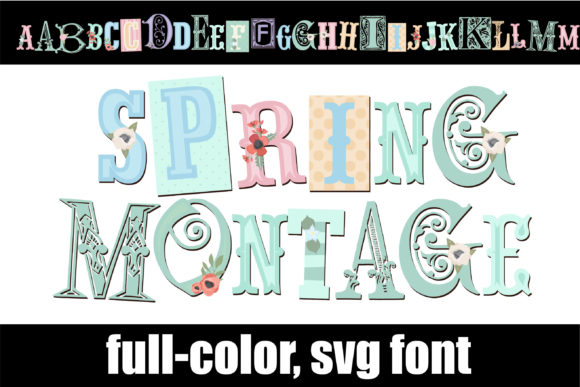
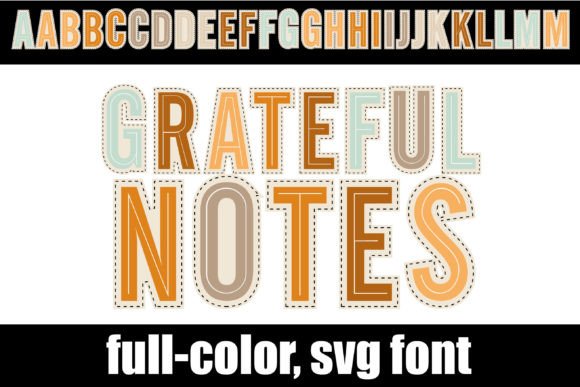
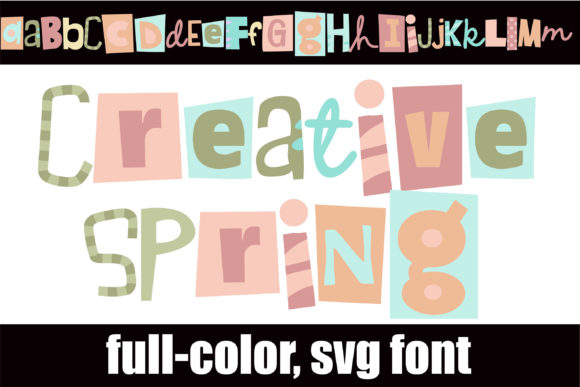
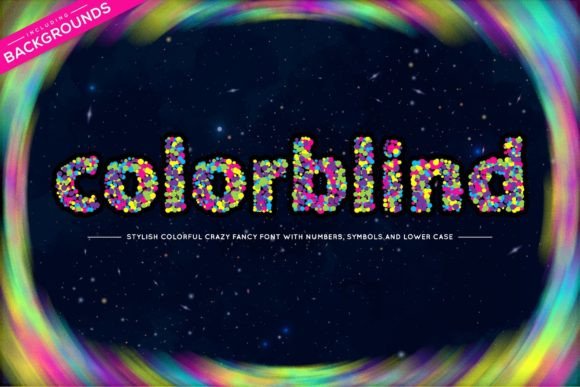
At its core, Colorblind is a premium display font that leverages the advanced capabilities of OpenType-SVG technology. This means each letterform contains its own color information and subtle gradients, creating a depth and richness that traditional single-color fonts simply can't achieve. Think of it as the difference between a flat icon and a glossy, 3D illustration. The visual appeal lies in its ability to mimic hand-painted strokes or layered inks, giving any text an artisanal, contemporary feel. This isn't your standard serif or sans serif; it's a creative font designed to be a focal point, not just background noise.
For designers and entrepreneurs, understanding the technical side is crucial for a smooth workflow. This typeface is delivered as an OTF and TTF color font, which means it functions like a regular font in compatible software. You install it, select it from your font menu, and type. The magic happens in applications that support this format, such as Adobe Photoshop, Illustrator, Silhouette Studio, and Inkscape. It's a game-changer for creating standout social media graphics, eye-catching logo design concepts, or unique packaging design mockups. However, a key practical note: the standard OTF/TTF files are not compatible with Cricut machines. For crafters, this means planning your workflow accordingly, perhaps using it for printed elements rather than cut files.
Where This Font Truly Shines: Practical Applications
The real value of a font like Colorblind is measured in its versatility across projects. Its bold personality makes it ideal for any application where you need to grab attention quickly. For brand identity, consider using it for a sub-logo, a tagline, or specific campaign headers. It can inject a playful or luxurious vibe into a brand, depending on the accompanying palette and imagery. Imagine a boutique coffee brand using it for seasonal drink labels, or a fitness influencer using it for motivational quote graphics on Instagram.
Beyond branding, its applications are vast:
- Marketing Assets: Create scroll-stopping email headers, webinar title slides, or digital ad banners that stand out in a crowded space.
- Editorial Design & Blogs: Use it for feature article titles or chapter headings in digital magazines to break the monotony of standard body text.
- Invitations & Event Materials: Design party invitations, wedding save-the-dates, or festival posters that feel custom and celebratory.
- Merchandise: Apply it to t-shirt designs, tote bags, or sticker sheets for a product line with instant visual appeal.
- Digital Products: Enhance the cover of an e-book, the title card of an online course, or the graphics for a downloadable planner.
The key is to use it strategically. Because it's a display font, it's best suited for headlines, titles, and short bursts of text rather than long paragraphs. Pairing it with a clean, neutral sans serif font for body copy creates a balanced hierarchy that guides the reader's eye. This approach maintains readability while allowing the colorful typeface to do its job: to engage and delight.
Making It Work for Your Brand
Adopting a distinctive font like this requires thoughtful implementation. First, consider your project's goal. Is it to convey fun and creativity? Sophistication and modernity? Colorblind leans toward a modern, artistic aesthetic. Review the included font styles—often, a family will have variations in weight or color that offer flexibility. Test different styles on your specific background colors. A vibrant font can clash with a busy photo but sing against a solid, dark backdrop.
Font pairing is an art. A general rule of thumb is to contrast styles. If Colorblind has a script or handwritten feel, pair it with a sturdy geometric sans serif. If it's more of a bold, blocky display font, try it with a light-weight serif. Always test your pairings in the context of your actual layout. Does the combination feel harmonious? Is the main message still instantly legible? This testing phase is non-negotiable for professional presentation.
Finally, think about commercial licensing. If you're using this for client work or products for sale, ensure the license covers your intended use. This is where investing in a commercial font from a reputable source pays off, giving you peace of mind and legal clarity. The goal is to build a consistent and recognizable visual language. A single, powerful element like a unique color typeface, used consistently, can become a signature part of your brand's toolkit, boosting recognition and making your materials feel cohesive and polished.
In the end, typography is a silent ambassador for your brand. Choosing a font with character, like Colorblind, is a decision to communicate with more than just words. It's a choice to evoke emotion, create mood, and make a memorable impression. Used wisely, it’s not just a design asset—it’s a storyteller. So, when you're ready to move beyond the ordinary and inject some genuine vibrancy into your next project, consider giving your words the colorful stage they deserve.